When Stephen Kilbey joined DSC’s happy band a few short years ago we knew we were taking on a (very) young, keen and highly opinionated young man.
Three seasons on and we’ve found that Stephen can do several things well. He can certainly eat (as the crew at the Smoking Dog will attest) but more importantly he can listen, and he’s done lots of that with input from the DSC Editor and our senior writers, in particular Stephen Errity, whose season long partnership with young Kilbey putting aside youthful exuberance and instead getting stuck in to the real graft involved in bringing the news and features that we know you all expect from major races covered here.
And now his progress has been recognised with his entry to the Guild of Motoring Writers Young Writer of the Year, making the final three and now embarking on the next stage.
The winner will be awarded the Sir William Lyons Trophy and we wish our man well of course.
The piece that got him this far in a competition that in career terms is very much worth winning can be read here – http://www.gomw.co.uk/blog/comment/171-stephen-kilbey-what-defines-a-premium-car-in-2014.html.
And read on for Stephen’s current assessment of where the debate that the initial piece prompted has taken him.
What defines a premium car in 2014?” That was the question posed that required me to provide a well written and argued response.
With a couple of seasons of ‘road car relevant’ motorsport behind me it seemed only sensible to look to the current sportscar racing scene for inspiration.
Ultimately, the inspiration for my piece came from my first trip to Le Mans back in 2006. I came away from the event thinking: ‘Diesel cars are actually fascinating’, something that hadn’t crossed my mind before.
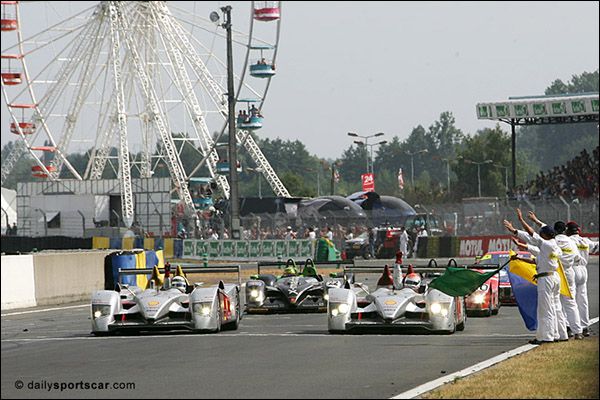
At that time, when Audi won the race with their R10 TDI (pictured above), they’d already been using the 24 Hour Race at La Sarthe as a test bed for emerging road car technology for seven years, winning the race outright six times and since then have gone on to achieve so many more technical feats alongside their unrivalled racing success.
I feel the regulations outlined in the FIA WEC do give manufacturers the chance to express themselves, and move forward with performance and efficiency. Evidence of this is in the form of more and more interest from blue-chip brands like Nissan, who will be competing in the championship as a factory next season.
It’s an interesting debate – has the motorsport programme from Inglstadt really propelled their brand in terms of perception and general technological progress, has it made their road cars better? Especially with the recent rumours regarding a possible switch to Formula 1 for Audi…
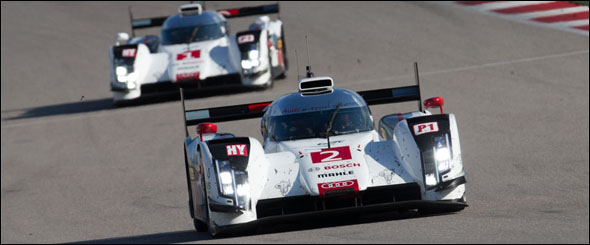
I think it has, there is evidence of shared technology, and Audi have become the top brand in Germany in terms of raw car sales now – a far cry from the 80s and 90s where they struggled to compete with the likes of Mercedes and BMW. It was a time in which they didn’t compete in elite sportscar racing.
On the other hand though, could using the resources put into motorsport elsewhere arguably be more beneficial? Is motorsport merely a platform to flex muscles in the form of a racing team? It’s very much a talking point.
I feel there is little doubt that Audi make premium vehicles and to me the A3 e-tron is one of them, because it ticks all the boxes, and wouldn’t be the same without the motorsport programme behind the scenes. When it comes to this debate, my piece is just the tip of the iceberg.