Peugeot’s new-for-2022 9×8 Hypercar is just the latest chapter in the motorsport history of a brand that, arguably, has a broader history of success in the sport than just about any other.
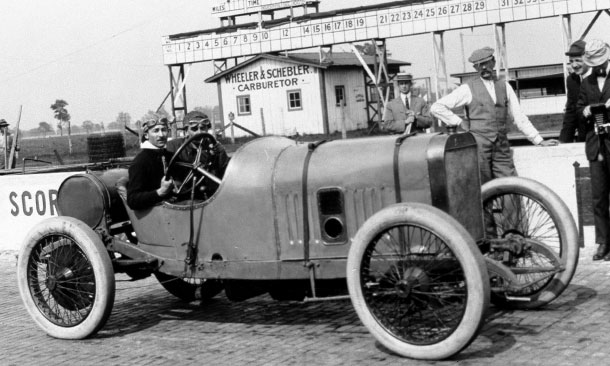
From an overall win at the Indianapolis 500 (in 1913) through to significantly more recent success in touring cars (including back-to-back overall wins in the Spa 24 Hours. The 2000 race winning Peugeot 306 GTi is pictured below), Rallying (with four World Drivers Championships and five World Manufacturers titles), Rallycross (World drivers and team Championships), seven overall wins on the Dakar rally, inaugural winners of the Andros Trophy Ice Racing Series, three times winners at Pikes Peak (including the fastest ever non-electric run), and as engine suppliers in Formula One, and that’s before we move on to talk about their record in sportscar racing!

We’re going to be looking at their background at Le Mans in four parts (and a further couple of special asides!) Starting with the early years here we’ll move on to the Group C campaigns with the V10-powered 905, the brand’s history of providing the power behind an array of customer efforts in the latter LMP years and then finally the diesel years and the 908.
That’s where we’re starting this brief stroll through the history books with the ‘soundbite’ that the Peugeot marque will if a Bentley (and/ or Chrysler) LMDH does not emerge, further extend their record of the longest spread of participation at Le Mans by a single marque.
The first Peugeot to contest the Great Race did so in 1926, a two-car Peugeot effort with a pair of Type 174 Sport models ending with both being disqualified. Of surviving brands, only Bentley, Ford and Chrysler raced at Le Mans earlier.
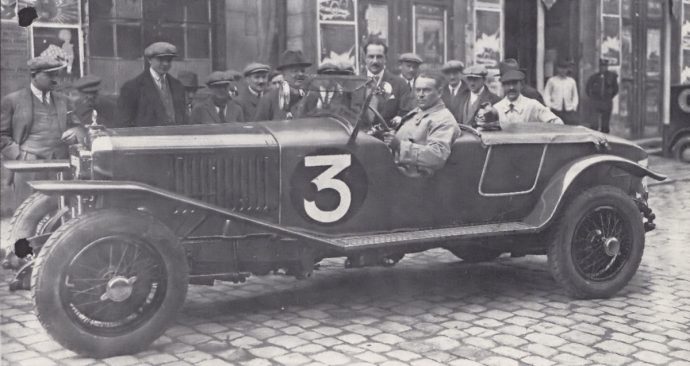
The early years saw just those two cars in the 1920s, it was 1937 before the brand returned, the first of two consecutive years that saw a trio of Darl’Mat Peugeots on the entry, and they produced the brands’ first Le Mans finishes (and their last for over 50 years).
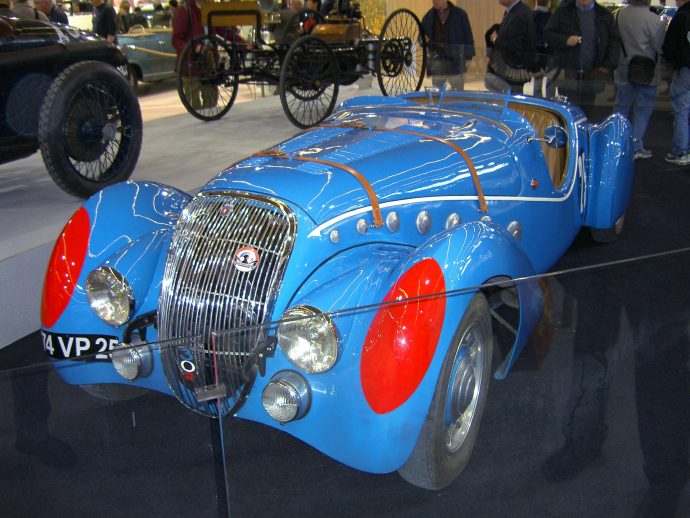
1937 Darl’Mat Peugeot pic – Mikaël Restoux
1937 would see all three cars finish in the top 10 (7th, 8th, the #25 car pictured above and 10th) with the following year seeing one car finish a fine 5th overall whilst the other two would fail to finish.
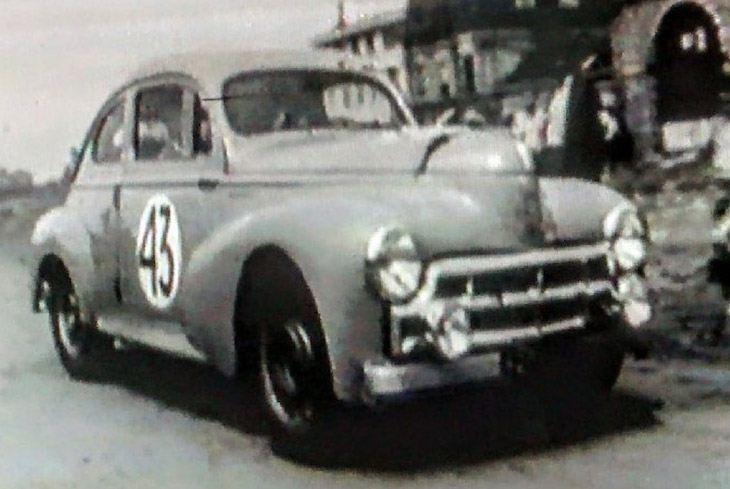
Next up the 1950s and four consecutive starts from 1952-55 from derivatives of the Peugeot 203, 1952 would see a single 203C DNF, the following year saw a 203 non-classified whilst both 1954 (pictured below) and 1955 saw non-finishes from solo, sleek-bodied Constantin 203 Spyders.

It would be more than a decade before Peugeot power returned, both 1966 and 1967 would see Charles Deutsch’s CD effort use Peugeot engines in his beautiful SP66s, sadly function didn’t follow form and the trio of cars in 1966 and a pair the following year, would all fail to finish.

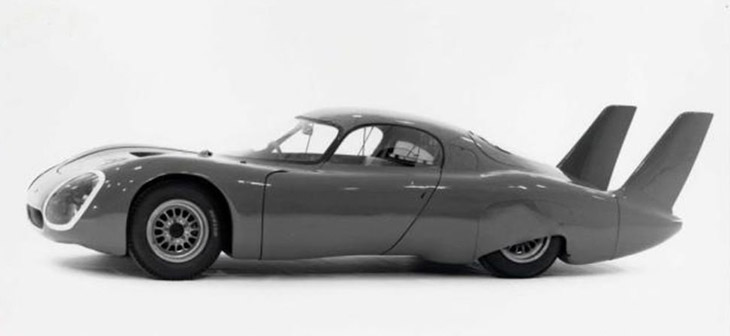
Pics of SP66 – FIVA
Better years would follow, as long-time Peugeot stylist Gérard Welter co-founded with fellow Peugeot ‘lifer’ Michel Meunier, the WM concern that would produce a succession of very pretty, and at times quite successful, racers.

Between 1976 and 1989 the team would 10 finishes including a class win in 1979 in the GTP +3.0 class for Max Mamers and Jean-Daniel Raulet (Serge Saulnier, later team manager for the Peugeot 908 effort was also listed in the car but did not drive), 3 class podiums, in 1980, 1981 and 1986 and a fine 4th overall in 1980 with the P79/80 for Guy Fréquelin and Roger Dorchy (below).

Whilst the WM programmes produced some fine results, in class and (above) overall, there’s little doubt that the programme is best known for the effort in 1988 to break the 400 km/h barrier and that the team did with gusto, an official (for Peugeot marketing reasons!) 405km/h from Roger Dorchy was actually 407 km/h, or 252.9 mph from a 3-litre turbo V6 with reportedly something north of 900hp available!

WM pictures courtesy and copyright Racingsportscars
With thanks to Dylan Smit