With the GTP cars set to make their racing debut at the Rolex 24 Hours, the IMSA WeatherTech Sportscar Championship enters its first top-class ‘electrified’ era. A very significant step.
But it is not the first time that hybrid drive systems have appeared in major North American endurance races!
As you’ll see below there have been several programmes that brought the technology to the track in the American Le Mans Series, a story that started a quarter of a century ago!
1998 Panoz Q9
Astonishingly ahead of its time, the 1998 Panoz Q9, nicknamed ‘Sparky’ was a joint development between Panoz, using the basis of its brutal Reynard-designed and built, 6 litre V8 powered Esperante GTR-1 GT1 car and Zytek who developed a 110 kW hybrid electric drive for the car.
The idea behind the concept is a familiar one now, but a decade and a half earlier than the LMP1 Hybrids – and two and a half ahead of the new GTPs!
The hybrid drive would facilitate better fuel mileage by regenerating energy under braking, storing that energy in an onboard battery pack and then deploy it (on the Q9 through the rear wheels only) to help acceleration. The concept was that the energy saved would allow the car to go longer between pitstops and thus stop fewer times during a long race.
The problem came with the technology available in 1998, the battery pack added massively to the weight of the car, almost 200 kg heavier than the normally-powered GTR-1, the Q9 weighing in at almost 1100kg.
David Price Racing operated as the factory team and prepared the car for the Le Mans 24 Hours Test Day where the Q9 would be wrangled by James Weaver and Perry McCarthy.

The additional weight of the car though proved to be an Achilles heel, the car lapping way off the pace over 16 seconds off the top time of the sessions and 12 seconds off the best time of the slower of the two conventionally powered Panoz. Plans to contest Le Mans were abandoned.
The Q9’s place in this list though was rescued by its appearance later the year at the inaugural Petit Le Mans at Road Atlanta.
John Nielsen, Doc Bundy and Christophe Tinseau would combine to bring the car home in a delayed 12th slot, but history was made, this the fist race start, and race finish for a hybrid-powered race car.
With the advances in battery technology that would be required to take advantage of the concept not in sight the Q9 was parked – a brave and significant first step.
2009 Ginetta-Zytek 09HS
The first LMP Hybrid to race was a Zytek 07S, updated to Ginetta-Zytek 09S spec, and entered as a 09HS.
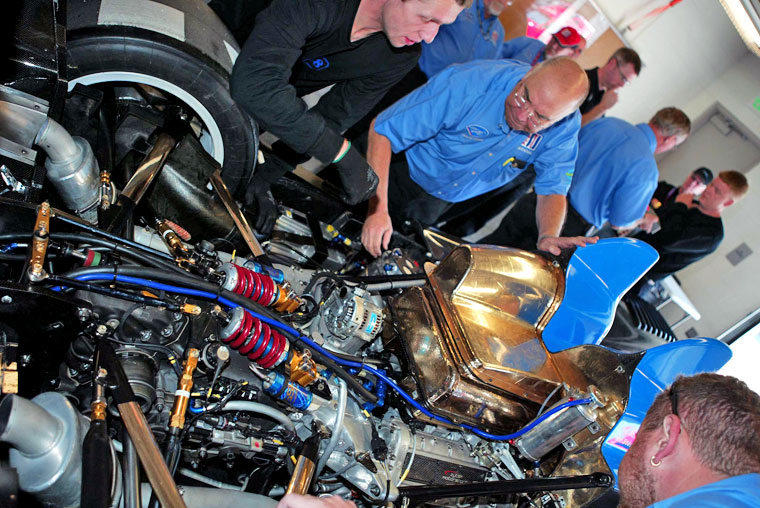
The car was built with a 625 bhp ethanol-fuelled Zytek 4.5 litre V8 and a 35-45kw three-phase induction electric motor powered by a Continental-built lithium-ion battery pack, fed by a KERS braking energy regeneration system, all of the hybrid tech drawn from road car technology (as per the standing regulations) with some associated weight issues as a result.
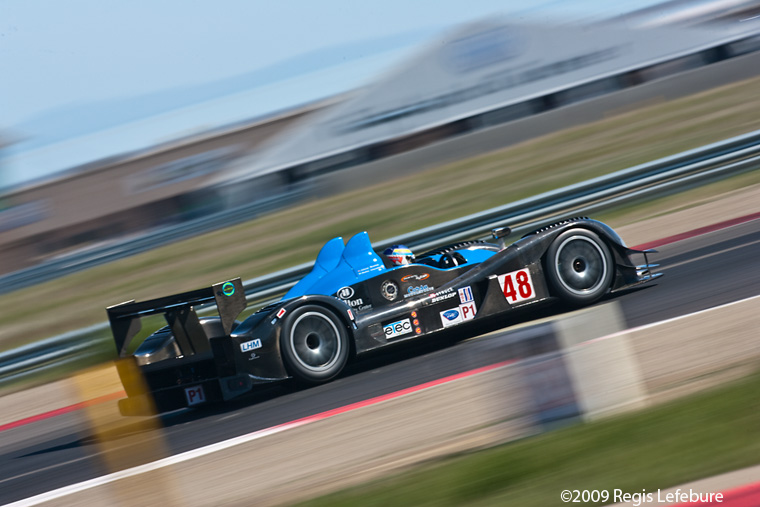
The car was fielded in ALMS competition by Steve Pruitt’s Corsa Motorsport debuted at Miller Motorsports Park in May 2009 (above) and went on to race in five of the sprint events pedaled by Johnny Mowlem and Stefan Johansson. The car wasn’t on the ultimate pace but showed some promise, including an overall podium (3rd) at Lime Rock.

2011 should have seen a second-generation Zytek Hybrid emerge, the car was a reserve entry for Le Mans entered under Rangoni Motorsports.

It emerged though at Spa (below) under the MiK Motorsport banner, but issues for the Hybrid system saw it race there in conventionally powered trim, the car reappeared at Imola, still in conventional form and then at Silverstone where a substantially revised hybrid system had been fitted.
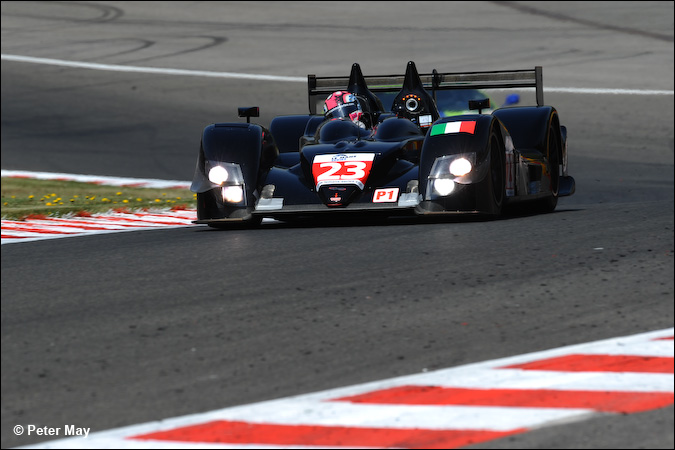
Sadly though the car suffered a significant rear-end fire in practice that counted the car out for the weekend, the damage later having been confirmed as having affected the chassis, the car did not reappear and therefore never raced as a hybrid!
2010 Porsche 911 GT3 R Hybrid
Porsche’s first racing hybrid was based on their then-current GT3 offering handmade one appearance in North America.

It was not, despite some publicity at the time, the first GT racing car to feature hybrid power, nor was it the first to race – It did though take the game on by a step or two – and Porsche’s approach to publicising the effort gave hybrid powertrains a substantial publicity boost.
The 997 GT3 R Hybrid featured a Williams F1-developed KERS system based on a mechanical flywheel rather than batteries, to store the harvested kinetic energy from braking rather than batteries.
The GT3-R was equipped with two electric motors, developing a total output of at least 163 kW (219 hp), driving the front wheels. This in addition to the rear-mounted 373 kW (500 hp) 4.0-litre flat-six engine driving the rear wheels.

The car (only one example was built) debuted in a VLN race on 27 March 2010 finishing 6th overall. The next VLN race saw the car on the overall podium, 3rd.
Both of those outings were a precursor for the Nürburgring 24 Hours where the car starred and looked set to take an overall victory (above), a lap ahead of the field as several top prospects faltered until into the 23rd hour the Porsche was out, ironically with a failure of the usually iron-clad flat-six engine!

2010 was rounded out with a pair of outings in the Intercontinental Le Mans Cup at Petit Le Mans and Zhuhai, the car finishing both races, delayed at Road Atlanta but an astonishing 6th overall in China, ahead of all of the other 10 GT1 and GT2 runners.

2011 saw the car back out and racing again and on 28 May it took its only overall win with victory in the VLN. That probably didn’t help the team for the Nurburgring 24 Hours though, the car was saddled with weight and restrictor penalties that, coupled with some reliability issues, saw the car finish way down the field.
2012 Dyson Lola Flybrid LMP1
Dyson Racing were looking for a way to level the playing field as their Lola LMP1 cars were finding the going in the American Le Mans Seres increasingly tough, not least because of the growing issues for the chassis maker.
The team though were far from done and in 2012 revealed a secret weapon, an effective bolt-on hybrid system developed by UK concern ‘Flybrid’, a mechanical energy storage medium that promised significant power at an accessible cost point.

The car raced in Hybrid form more than once, and whilst the progress of the tech saw power output at impressive and useful levels, the maturity of the tech proved to be it’s Achilles heel, hybrid failure was all too common, the unit then effectively acting as c.40 kilos of ballast thereafter.

Dyson Racing stuck with the programme for a while, but eventually decided enough was enough. Hybrid tech was then parked for a decade until the revival of the GTP era in 2023!