This weekend’s ELMS season finale brings with it the promise of a nail-biting title showdown in all four classes. But it is in LMGT3 that the points battle is the tightest, with an astonishing nine cars still in with a shot.
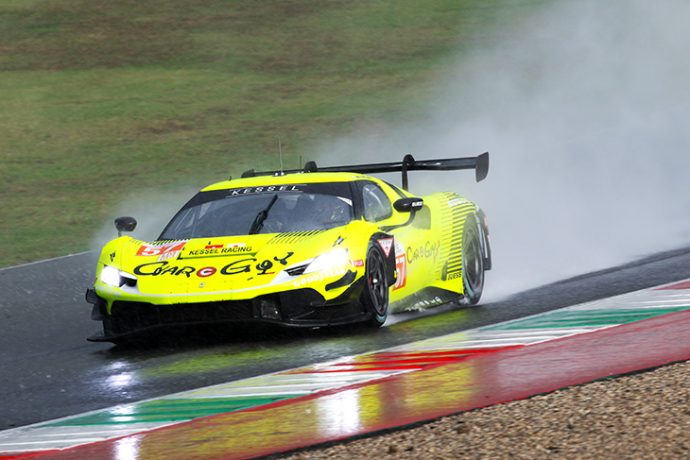
One of them is Swiss Ferrari outfit Kessel Racing. It has the inaugural LMGT3 title firmly in its sights after back-to-back wins at Spa and Mugello for Takeshi Kimura, Esteban Masson and Daniel Serra, which elevated the team and its 296 LMGT3 to the top of the points tally.
It’s the latest chapter of a story in which the long-established team has cemented itself as one of THE teams in the world of GT and one-make Ferrari racing.
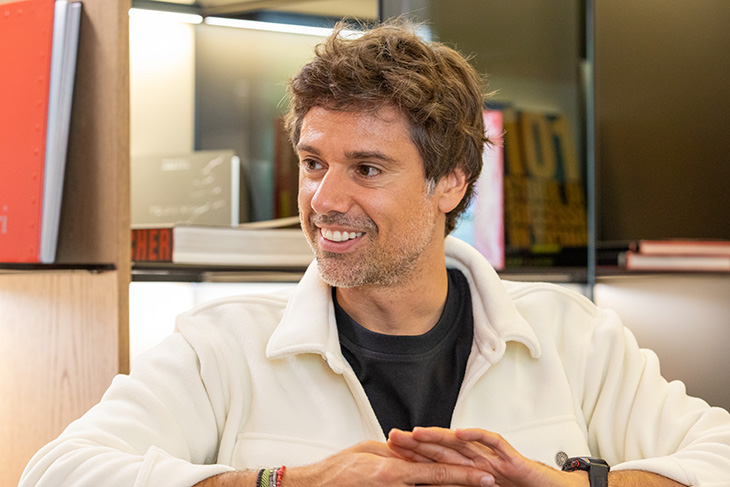
To find out more about the drive behind Kessel Racing ahead of one of the biggest weekends in its 24-year history, DSC travelled to its headquarters in Switzerland after the race at Mugello to sit down at length with owner Ronnie Kessel.
It all started back in 1971 with Ronnie’s late and much-lamented father Loris – prior to his stint in Formula 1 later in the decade – set up the Kessel business in Grancia, close to the centre of Lugano in Switzerland.
Step by step, the company grew, from a small operation that focused on maintaining of road and race cars, to the automotive conglomerate we see today, which combines classic car restoration, road car sales and high-level GT racing with Ferrari.
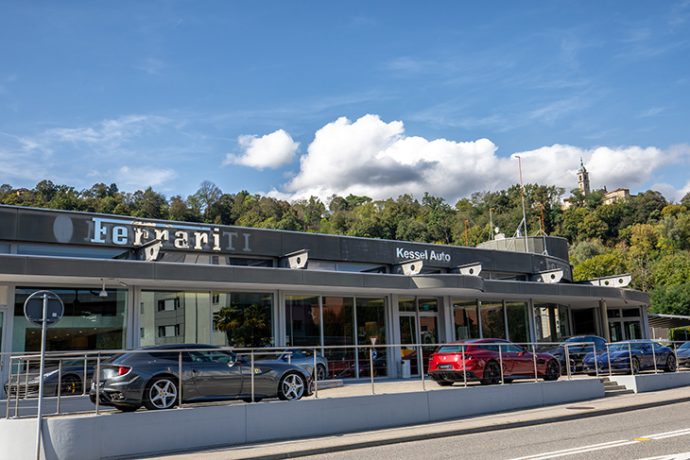
Since Loris’ passing after a long-term illness back in 2010, Ronnie has slowly taken over the business, building it up from a company that employed 45 people, to one which boasts a workforce of more than 200.
“Since my father’s passing it has been tough for everyone,” Ronnie told DSC. “Besides being my dad, he was the leader of the company.
“We have been growing in the past 14 years, not because we have been better than before, but because automotive is a growing market. We’ve adapted and moved into different fields.”
The adjustment period was tough. Not only did Ronnie need to move forward without a father figure, he had to step up and run the family business on a short call – something which he says required a fair share of patience from everyone involved.
“They have waited for me to build my character and skillset and be able to take on the role as a front man for the company,” he explained. “I gradually entered management after a period in which that side of things was handled by other people.
“Thank god that we have a big team, which saved us from this moment. This is a group of people who are all committed together towards a single goal. If we were in a different field it may have been more challenging. We have solidarity and we support each other.

“I stepped into the company in time to learn things from my dad, but the people he had around him helped me too, it was a great working and learning environment with many people still with the company still from the early years.
Building on his father’s legacy was, is and will always be, extremely important to Ronnie. It’s what drives him every day – but plenty of the growth that has seen the company expand sits very much within his era.
Kessel as a company has been nimble in recent years, evolving with the automotive and motorsport industry around it, and there is far more to Kessel than the race team, but motorsport continues to be an important component to how the wider company functions and thrives.
“We’re an automotive company at heart,” he pointed out. “We are into cars. We are into classics, restoration, and racing and we are also an official dealer of Ferrari, Maserati and Pagani.”
Yet the race programmes it operates in Ferrari Challenge, Le Mans Cup, the European Le Mans Series and GT World Challenge continue to feed its commercial model.
Kessel has a longstanding reputation as a flagship Ferrari team in the GT sphere. But Rome, as the cliché goes, wasn’t built in a day.
Kessel Racing was established at the turn of the century, but the rise to where it is now, began in earnest with the inception of the GT3 formula.
With the regulations coming together, Loris saw an opportunity and seized it. He quickly struck a deal to build the Ferrari 430 GT3 on behalf of the Italian brand for its first set of customers – and lest we forget, fielded a team which won the inaugural FIA GT3 European Championship race at Silverstone back in 2006 with Hector Lester and Allan Simonsen.
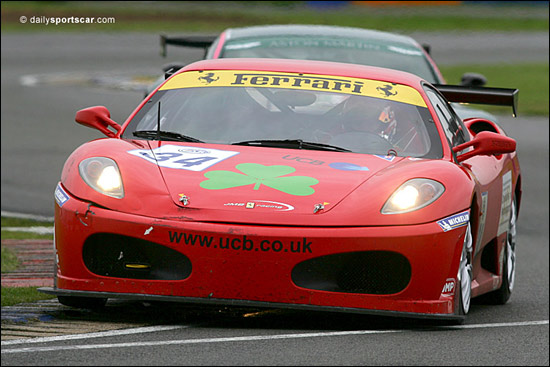
“Back in 2006 when GT3 started, Stephane (Ratel) had that vision, he saw strong mono-brand championships like Porsche Cup and Ferrari Challenge, and found a way to bring them together and balance them. Of course, the Ferrari was the only one with no wing or splitter, so it needed work!” he chuckled.
“So my father decided to start with this new adventure and we began producing cars.
“From there we started to become successful. We built 110 cars for customers worldwide and played a key part of GT3 racing’s rapid growth.”
From there, Kessel Racing’s status grew, and while it no longer builds GT3 cars on behalf of Ferrari (ORECA handles that side of the business now), it remains a premier customer team and a destination for aspirant GT racers.
It caters to anyone keen to try their hand at circuit racing for the first time, all the way up to the most experienced drivers keen to fight for victory at some of the biggest sportscar races in Europe.
“Gentlemen drivers have always been there for us and we have to be thankful. Because by pursuing their passion, they have allowed teams like ours to grow.”
Kessel continues to invest in the Ferrari Challenge format. It’s an arm of the business which Ronnie likens to an under-18 football team.
“It’s where we get the talent and get people on board. The difference is most of our drivers are older than 18!” He quipped.
It also remains a force in GT3 competition as a 296 GT3 customer team and shows no sign of slowing down in its pursuit of major wins and titles.
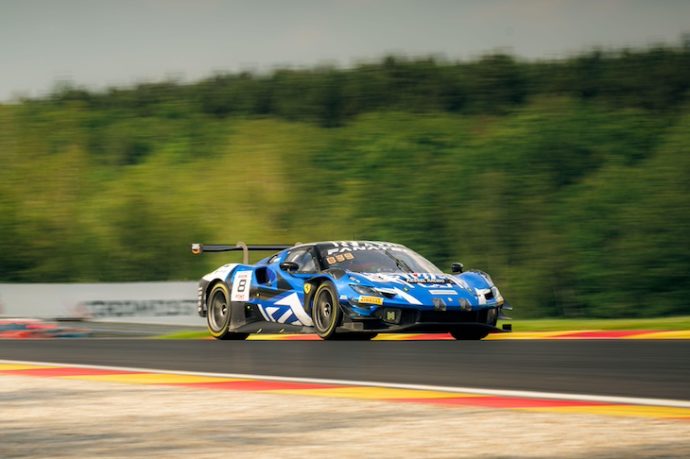
However, Ronnie, who sees huge value in being able to discuss Kessel’s involvement with Ferrari Competizioni GT with road car buyers, believes in quality over quantity when it comes to the size of its sporting programmes.
When a customer walks into one of his dealerships and asks about the current Ferrari range, pulling up pictures on his phone of Kessel’s latest result on track is far more important than showing off the size of its team. Results and customer service matter more, he feels, than operating huge fleets of cars.
“It’s why you don’t see Kessel racing with four or five cars in one championship – outside of Ferrari Challenge, because that’s managed differently,” he added. “The race team is an extension of what we do at Kessel. Our customers in racing need to receive the same experience that they need to provide as a Ferrari road car dealer.
“So we want to do smaller entries into GT Open, World Challenge, Asian Le Mans, Le Mans Cup, European Le Mans Series and the FIA WEC hopefully if and when they can welcome us back.”
Looking to the future, shifts into formula or prototype racing are not on the agenda. Racing with Ferrari’s flagship GT products for years to come is. But that doesn’t mean Kessel lacks ambition, it still has items to tick off its ‘bucket list’, and goals that extend beyond its current commitments.
“There are two races we are missing today, Daytona 24 Hours and the Bathurst 12 Hours. But it’s a case of time and how challenging it is to do these possible,” he said.
“We know it’s special when you race with the Ferrari brand, so we don’t want to keep growing and growing. We are at the level we want to reach. We just want to go more international. We want to write more stories we can tell customers about our racing.
“Kessel is fully immersed in the Ferrari world. It has changed a lot and newer employees recognise me as the leader now, which I guess is normal. But I know I need to set a good example like my father did to keep the family name alive.”