


It’s perhaps fitting that the FIA WEC’s 100th race this weekend is set to be held in Toyota’s backyard. The Japanese brand stands alone as the only OEM to have competed in the championship’s top class since the inaugural season, and through thick and thin, supported the ACO and FIA’s ambitious endeavour.
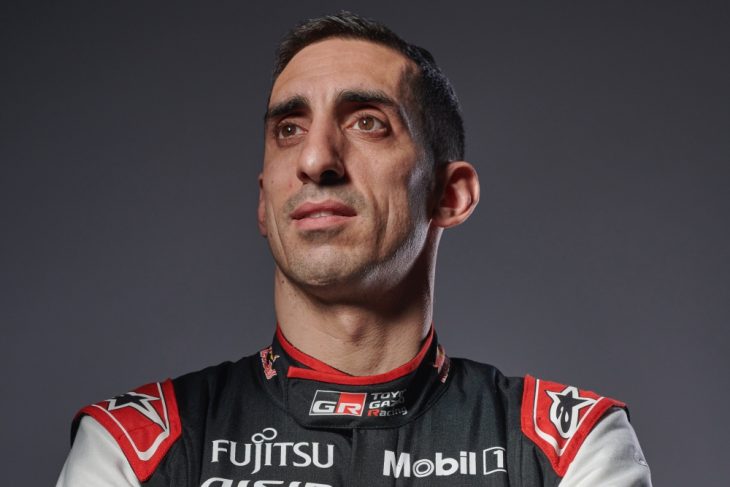
And within Toyota’s camp sits 36-year-old Sebastien Buemi, who has the most WEC race starts of anyone in the championship’s history at 91, and remarkably, all for the same team.

For the Swiss, the creation of the WEC came at the perfect time, as it allowed him to make a smooth full-time transition into sportscar racing after his three-year Formula 1 career with Toro Rosso came to a close.
Reflecting on the early days of the WEC, Buemi admits that he found sportscar racing somewhat impenetrable before the world championship came along.
“I was a teammate with Sébastien Bourdais in F1, and he was doing races in F1 and with Peugeot at the same time. I couldn’t understand anything, with drivers coming in and out for big races. I liked the idea of a championship, and the start of the World Championship was extremely important.
“It didn’t look like it would have a bright future initially when Peugeot pulled out before it even started, but with the timing of Toyota joining, it was vital.”

Over the years, Buemi has collected 26 winners’ trophies, four titles, and four Le Mans wins, making him one of the most decorated sports car drivers of the modern era.
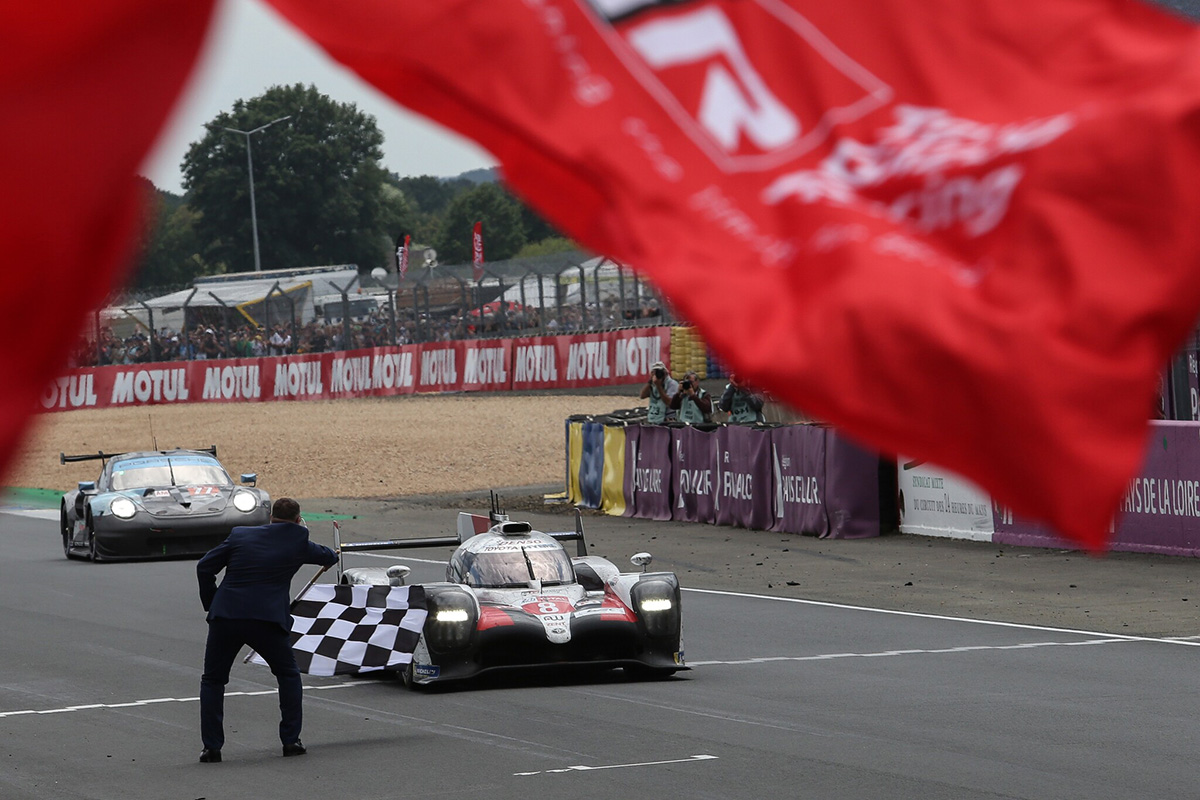
So many memories stand out, like his drive in Bahrain last season to help secure Toyota the Manufacturers’ World Championship, his first win at Le Mans in 2018 and the infamous 2016 edition when his TS050 stopped on the pit straight, in the hands of team-mate Kazuki Nakajima, and retired in the dying moments of the race while leading.
Even in the years when Toyota lacked competition from other major factories, once Audi and Porsche withdrew from LMP1, Buemi maintains that Toyota’s programme in the WEC still felt special.
“As a driver, I was very motivated, always,” he says. “What I didn’t like was fighting with the sister car, it was a struggle. When you fight other manufacturers, you feel like a team going to war, then when you fight your sister car, it’s hard to draw the line in what you consider correct, fair and how to set the boundaries. But the fights in the years when we were mainly fighting each other were not easier than now; in some ways, they were more difficult.
“When I think about it, the level of risk we were taking was crazy, even though we knew a Toyota had a high chance of winning. We increased the possibility that both cars retired.”
But it was his first race start with Toyota, at Le Mans in 2012, that immediately sprang to mind when asked for his standout WEC memory.
“I remember the first tests at Paul Ricard, then Aragon, and I remember calling my dad and saying: ‘we’re never going to do it, it’s impossible.’ The car was breaking down every 10 minutes; we didn’t know how the guys at Audi could do 24 hours,” he reflects.
“But we were fast, we retired the car with the accident (for Anthony Davidson at Mulsanne Corner), and we would not have made it to the end, but somehow to get to six hours was an achievement. I saw a bit of light at the end of the tunnel back then. Then the team won their first race and it helped, we did so much testing and in Year 2 we finished Le Mans.”

The championship matured through the years, as has Toyota, which has had to adapt to multiple eras, facing up against Porsche and Audi in the height of LMP1, and now a slew of OEMs in the Hypercar category.
The racing and the level of professionalism, Buemi feels, is almost unrecognisable compared to a decade ago.
“With the arrival of manufacturers and BoP, the small details matter more than they did before. In the past, unsafe releases and track limits were barely looked at, and contact wasn’t necessarily penalised heavily. I guess it goes hand in hand with the championship growing and getting more exposure.
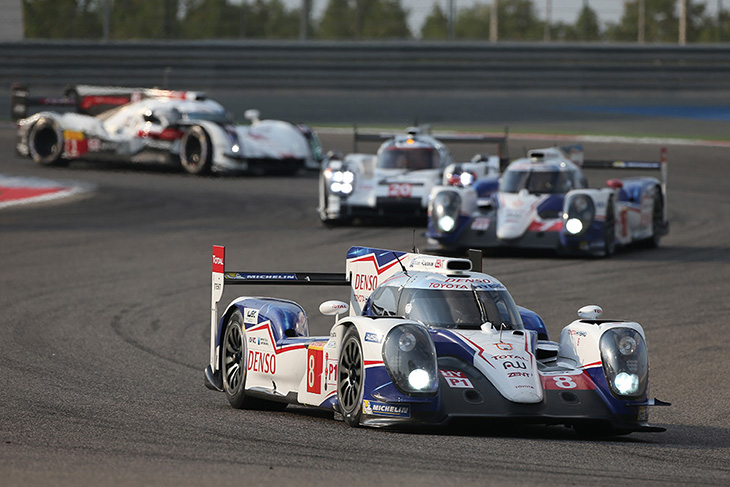
“As a team, we have had to change, too. The way we started, the commitment was not there; we had one car outside of Le Mans and very limited resources. It wasn’t until 2014 that we had two cars everywhere.
“We have gradually built up. I prefer what we have done compared to a brand that comes in with an all-in mentality and disappears quite quickly.”
Now, with two races to go in 2025 and no titles to fight for, Buemi and the Toyota team’s sole objective is an unusual one: just win a race.
It’s coming up to a full year since the GR010 finished at the head of the pack, which will almost undoubtedly be a tough pill to swallow for all concerned at Toyota Gazoo Racing. But what better place to turn things around than here, on home turf, at a milestone event for the championship?
Featured image courtesy of Toyota


