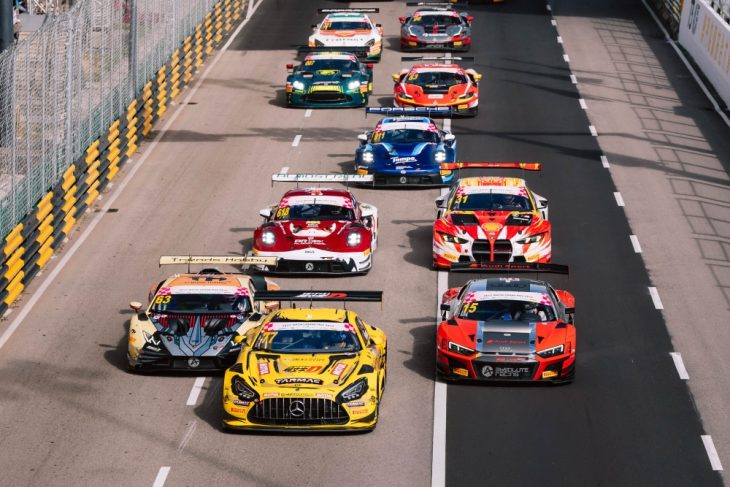
The FIA is working towards potential cost reductions for the torque sensor technology currently used to monitor performance at the FIA GT World Cup at Macau, after significant cost increases were cited by several competitors in this year’s competition. The technology, used too in FIA WEC, ELMS LMGT3 and IMSA GTP, GTD Pro and GTD competition, sees Ultra High Accuracy (UHA) driveshaft torque sensor units currently exclusively supplied by US-based MagCanica, with costs per unit a significant five-figure dollar amount per driven axle.

Additional costs are incurred by the teams/ manufacturers in calibrating the individual units for their specific vehicle(s). Such is the escalation in cost that some private teams have observed significant percentage cost increases in running budgets as a result of the introduction of the tech.
Craft Bamboo, which entered a pair of Mercedes AMG GT3 Evos at Macau, and does not use the tech anywhere else, told DSC that its use, including the testing and calibration required, had doubled the cost of contesting the GT World Cup since its prior entries in 2024.

The team missed last year’s event after five-time winners Mercedes AMG withdrew, at least in part in protest at the cost of introduction of torque sensors for their Asia-based customer teams. FIA GT Commission President Lutz Leif Linden told selected reporters that the current single supplier arrangement and costs are being addressed. There are negotiations with MagCanica over cost, and an investigation into the potential for adding a second supplier to provide market pressure on costing. There will, however, be no mandating of torque sensor technology either for the current FIA GT3 regulations or in the forthcoming 2028 regulations currently being finalised. Linden, though, defended the introduction of torque sensors strongly, reminding reporters of the consistent complaints about prior Balance of Performance systems at Macau and elsewhere with “sandbagging” a near-constant script from the paddock in recent years.
“To police this, in the right way and to make it more fair for everybody, you need the technology to give us the right data,” he said. “And now we have it.”
The tech has been phased in at Macau, with 2026 seeing the introduction of live monitoring of data by officials at the GT World Cup for the first time.
That saw multiple penalties incurred over the race meeting for a number of cars measured to have ‘overpowered ’.
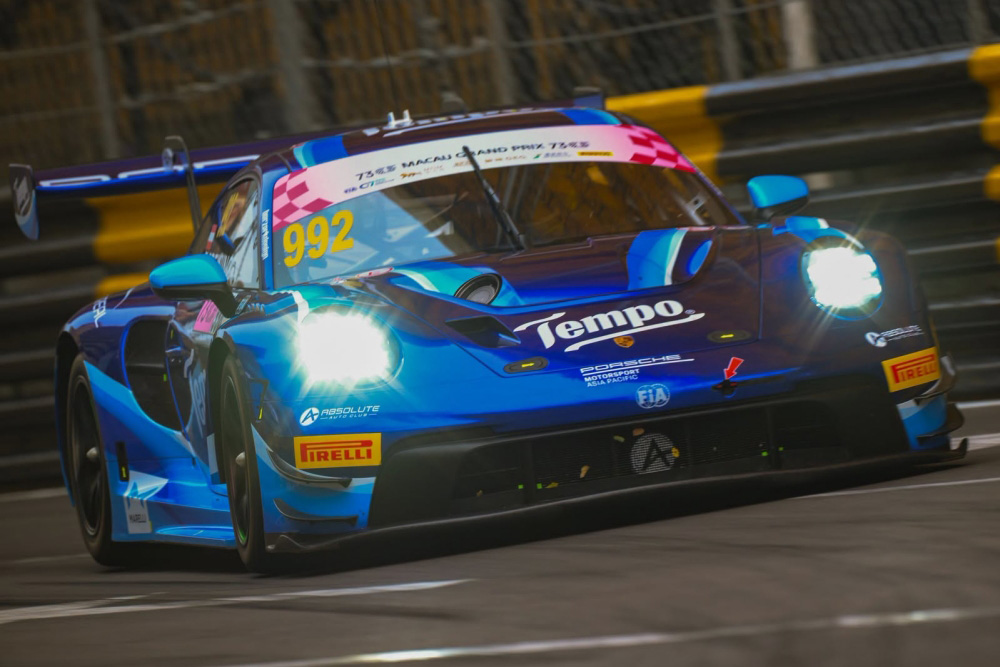
Linden made it clear too that, despite fairly widespread public comment from industry sources, the vast majority of manufacturers were aligned behind the concept in private industry discussions.
“There was a little bit of politics behind it, but finally most of them voted for it,” he said.
“Of course we lost one manufacturer (Mercedes-AMG last year), but it was just because the cars had not been equipped with the right cables and everything.
“They are here now.”
“Of course there are some additional costs, but on fairness, it’s better for everybody and what you saw last year was much closer.
“In my opinion it’s the best way.”
Linden seems confident too that the event grid will grow again in the near future. But he was clear that the current maximum would be no more than 23 cars, the most that can be accommodated in the Macau paddocks’ somewhat period garages.