The 2023 1000 Miles of Sebring sees the latest big test of the convergence process with the WEC season-opener marking the very first head-to-head encounter between Hypercars to three different basic specifications.
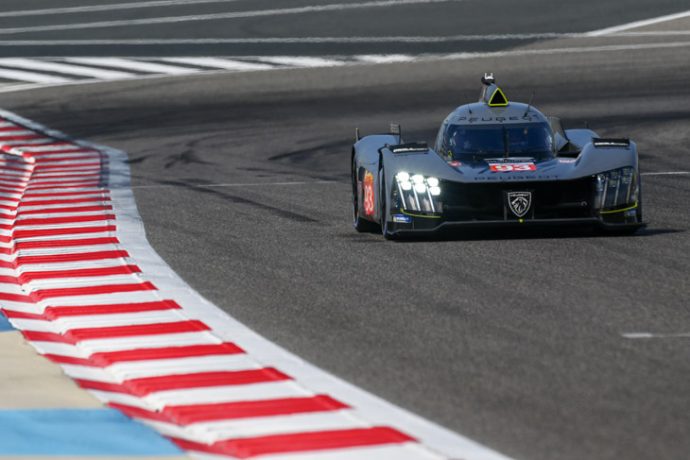
Ferrari joins Peugeot and Toyota in the four-wheel drive hybrid (LMH) camp with the ByKolles-run ‘Vanwall’ joining Glickenhaus Racing with cars powered solely by a rear-drive internal combustion engine (albeit the SCG 007 has a turbo power plant to the Kolles normally-aspirated Gibson).

And then there are the Porsches and full-season Cadillac to rear-drive hybrid LMDh specification.
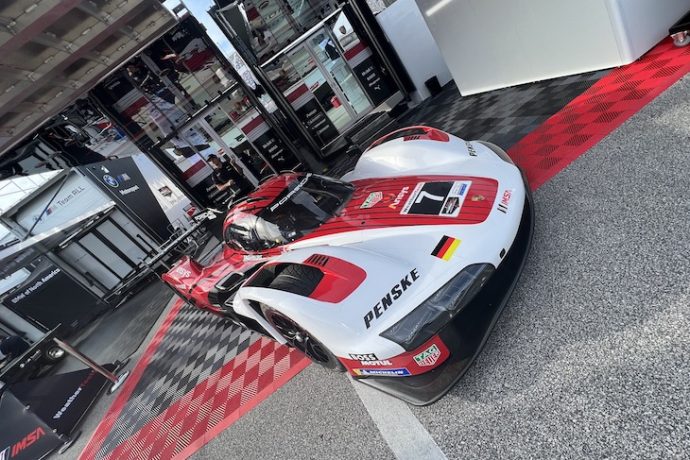
It’s a huge moment for all concerned both in the teams and manufacturers, and the rule makers and their technical teams. The rule makers have opted to set two separate BoP tables, the first for the Sebring season-opener and the second, designed to see the WEC through the start of the European season and into the 2023 Le Mans 24 Hours.

We’ll cover the proposed changes for the later races in a later story.
The values below will be fixed both for the Prologue test this weekend and for the race proper next Friday.

1000 Miles of Sebring
Minimum Dry Weight
Cadillac – 1038 kilos
Ferrari – 1057 kilos
Glickenhaus – 1030 kilos
Peugeot – 1049 kilos
Porsche – 1048 kilos
Toyota – 1062 kilos
‘Vanwall’ – 1030 kilos
Max Power Output
Cadillac – 513 kilowatts
Ferrari – 515 kilowatts
Glickenhaus – 520 kilowatts
Peugeot – 518 kilowatts
Porsche – 517 kilowatts
Toyota – 517 kilowatts
‘Vanwall’ – 511 kilowatts
Maximum Stint Energy
Cadillac – 905 Mj
Ferrari – 908 Mj
Glickenhaus – 911 Mj
Peugeot – 909 Mj
Porsche – 912 Mj
Toyota – 913 Mj
‘Vanwall’ – 900 Mj
The minimum hybrid deployment speed for the three four-wheel drive LMH cars is also defined with the Toyota and Ferrari cars set at 190 km/h, the Peugeot, at 150 km/h due to the French car being equipped with 31″ wide tyres at the front and rear, with the Toyota and Ferrari fitted with 29″ at the front and 34 at the rear.
There are (very) minor differences too in the fuel docking times across the varying groups of cars. The non-hybrid LMHs have a base minimum fuel connection time with the two LMDh cars required to dock for an additional second and the hybrid LMHs for 1.2 seconds.