As we dive deeper into the BoP era, is it time to take a step back and consider what’s best for the sport?
Balance of Performance has become a key part of sportscar racing in the 21st century, starting as a key factor in the revival and then global growth of GT racing with GT1 and GT3 blazing the trail.

Whilst some purists will never be convinced, the reality is that it heralded an era of variety, depth and grid stability that survived and thrived through challenges that laid low many other modern-era formulae including a global financial recession and, rather more recently, the COVID-19 pandemic.
As with any radically different solution to any sporting problem, there have been plenty of ups and downs with a variety of Balance of Performance solutions. SRO in particular has invested heavily, and have made a commercial success of, marketing its GT3 and GT4 BoP systems.

The introduction of BoP to the GTE/ GTLM classes and then to DPi and Hypercar too added further depth to the feeding pool of classes dependent on the process to ensure close competition. Again there were teething troubles before the system generally bedded in with good results, whether with active event-to-event management or with ‘Auto’ BoP algorithms.
But here’s the thing – walk through any paddock, talk to any team (and a fair proportion of drivers) in a BoP formula and there is, pretty consistently, complaint and derision about the state of play, quite often before a race that features several hours of wheel-to-wheel door banging action.
Fuelling that fire, again very often with little or no basis other than a table full of numbers and an isolated opinion or two, is a tendency for some media outlets to amplify pre-event BoP decisions as significant news. Oddly though, any evidence that the BoP decisions prove to be correct seem to be less newsworthy!
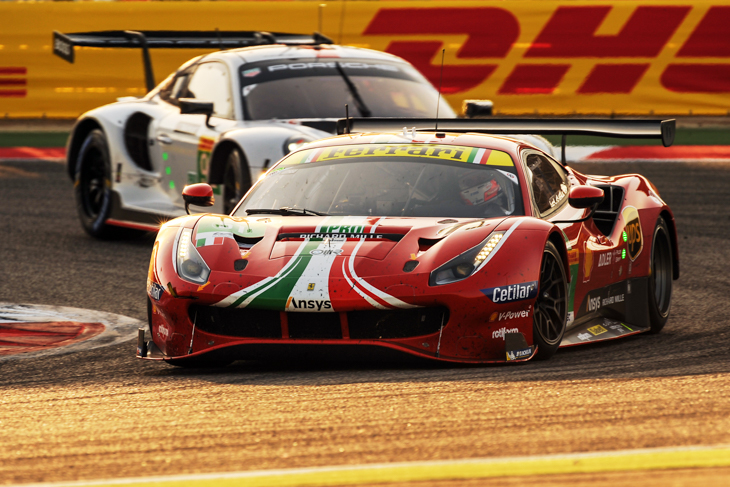
Put all of that together and you reach a point where an entire event can be coloured by a BoP complaint. The FIA WEC double-header at Bahrain was one such occasion with Ferrari complaining bitterly after being dealt a significant BoP change pre-event.
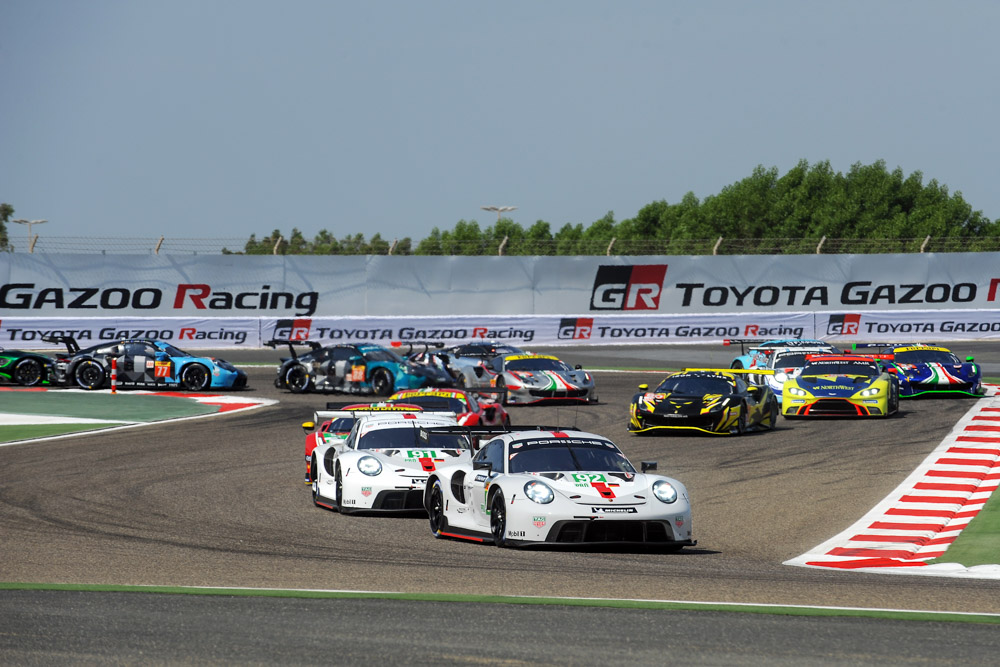
There was, predictably, a more than a reasonable degree of foot-stomping in the paddock, some metaphoric points-scoring in early track sessions and a commensurate degree of outrage expressed on Social Media. All in all, there was a broadly equal amount in defence of Ferrari and on the opposite side urging the Prancing Horses to “just get on with it”.
The opening weekend, the 6 Hours of Bahrain, saw what this writer is happy to observe was the worst GTE race of a long career, the two Ferraris lapping in formation and the two Porsches holding formation 35 seconds up the road.
Cue more post-race navel contemplation, more outrage on both sides and more coverage along the lines of “something must be done”.
Fast forward to the following week and a change for the better for Ferrari – regaining c.50% of that had been lost to the previous change. “Not enough!!” cried senior Ferrari sources, again backed up and opposed in broadly equal measure in the media and elsewhere.
Despite that, the season finale, the 8 Hours of Bahrain, setting aside the shenanigans of the final 10 minutes, produced a simply excellent and well-balanced contest between four excellent cars, run by excellent teams with excellent drivers.
So then – we are left to presume that if Ferrari had its way, it would have raced with a significant advantage. And it would have been aided in that regard by a significant portion of the expert motorsport media!
This is not, I should make clear, an editorial slamming of Ferrari – nor any specific media outlet. I’m merely using the most recent example as an exemplar to make a series of wider points. And here they are:
Endurance racing is about to enter a period of unprecedented growth in its top class, with equally unprecedented numbers of OEM operations set to be represented in the FIA WEC, IMSA and/ or both.
That provides a series of astonishing opportunities for all concerned in sporting and commercial terms.
But it also presents a significant number of challenges to all concerned.
What is the most effective way to promote and grow the audience for the sport?
Presenting long races to the public with a view to growing the audience is a major challenge, particularly in the current climate where consumers have never had so much content and choice available at the touch of a button on streaming platforms and on TV.
Putting the greater good of the sport first, is also a challenge.
Accepting that the current ways of doing things need another look, explaining more, being more open, and more inclusive – in general accepting that to bring a new and loyal audience forward we all have to work a bit smarter, and harder.
So let’s translate that little lot into how Balance of Performance and the issues it raises needs to evolve.
Firstly, the need for BoP needs to be explained, openly and clearly to all.
Don’t be shy, if it’s done right the racing will speak for itself and there will only be two sorts of people: Endurance racing fans, and those who are wrong!
Be proud of what has been achieved and how it has been achieved.
Secondly, adjustments and decisions need to be VERY clearly, and very publicly explained.
On what basis was a change made, and what difference do you expect it to make? Take the mystery out of the process, and stand up for the decisions made. Let the authorities take authority.
And thirdly, lets see more respect for the system that everyone signed up for in the first place.
Let’s keep the moaning for the post-race paddock, and the headlines based around on-track performances and not the uncertain future effects of a change led by data. In other words – get on with it!
Because if we don’t, then the bickering in Bahrain is set to be the tip of the iceberg as multiple powerful and politically savvy manufacturer outfits literally converge!
To put it into somewhat different sporting terms, if the rule makers can show the courage required to make a step change in communicating their decisions with confidence, then that deserves something which seems to be increasingly lacking in our sport, not just in endurance but elsewhere too: Respect.
That’s what the headline to this editorial ramble means. Let’s all be just a little more ‘Rugby’ about the way we respect the laws of the ‘game’ where the rules are respected very publicly, with often huge wrecking balls of players, being pulled up for sometimes horrific acts of on-field horrendousness, showing total respect for the referees.

And a little less ‘Football’* where all too often the temptation to feign injury to take on-field advantage is not resisted, and where we have had a rapid-fire switch from “Let’s have a video referee” to “Video refereeing is the work of the devil!”

There’s not a single entity in any paddock that hasn’t signed up for competition without full view of the rules and regulations, and there are certainly none in the forthcoming Hypercar arena that haven’t thought long and hard about the real world impacts on their ability to be ultimately competitive that BoP introduces – for good, and bad.
A fantastic new era is dawning. The processes of convergence in both prototype and GT racing promises huge opportunities. Let’s not ruin it with bickering about the details, but, rather, grasp the opportunities to revel in the action.
Let’s go racing!
*For the benefit of our US readers this means ‘Soccer’