Competition, Or Closed Shop? Listening in to a media conference call earlier this week with senior representatives of the four OEMs involved in IMSA’s 2023 GTP class, it was impossible not to notice a very different tone between the debate in endurance racing and that of Formula One on the subject of the prospect of increased competition.
Representatives of Acura, BMW, Cadillac and Porsche all showed nothing but positivity for the arrival in 2024 of Lamborghini and the planned 2025 addition of Aston Martin to IMSA’s new top class.
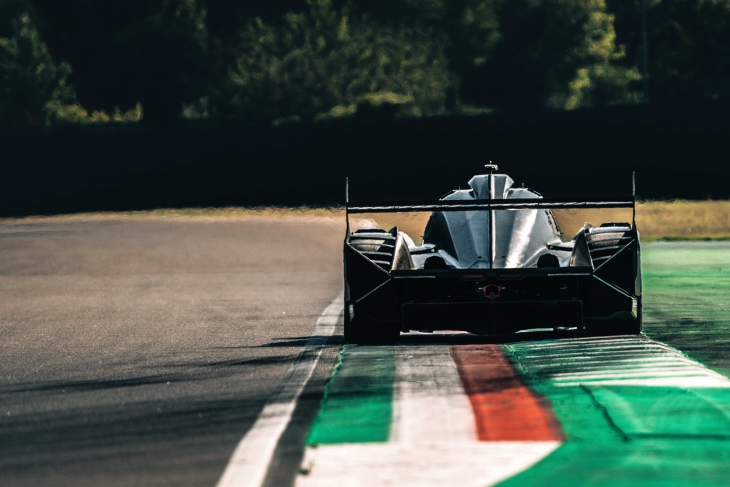
There was positivity too about the outlook of the industry to the challenges that have been put before the GTP class coming into and through 2023 with significant cost increases in logistics and supply chain that have impacted heavily on all of the factory and in Porsche’s case customer programmes.
All were quick to point to the level of competition, the boost in attendance and popularity and the general fan response to the new cars and the competition they have produced.
That has been in sharp contrast to the cacophony of negativity towards Andretti Global and its planned Cadillac-powered addition to the Formula One grid from the current F1 teams.
The bid, approved by the FIA, now moves on to Formula One Management for commercial discussions, with the public responses thus far from senior personnel from existing teams ranging from the entirely selfish defence of income being better divided by 10 teams than 11, to other factors thrown into the mix. This includes a somewhat laughable assertion from Mercedes team principal Toto Wolff that the addition of an 11th team might impinge on safety standards, particularly in qualifying.
The powerful individuals who control Formula One seem to have an almost entirely negative view of a return to 22 cars on their grid
So, to complete the contrast – a group entirely composed of representatives of the companies paying for GTP are looking at both the short-term and long-term pluses of increased competition. This includes commercial potential. Having weighed up the pros and cons, all four continuing to invest in the formula, and continuing to welcome additional competition.
On the other hand, the powerful individuals who control Formula One seem to have an almost entirely negative view of a return to 22 cars on their grid for the first time since 2016, despite a simply vast increase in the financial fortunes of the sport over the same period.

It’s difficult to conclude that corporate (and in some cases individual) greed is pretty much the only reason for resistance, in particular, because of the unique way in which F1 funding is distributed. There is now an active incentive to resist “new blood” as the teams themselves distribute the profits amongst themselves as of right.
The contrast is somewhat ironic in an era where more and more OEMs are, or soon will have, irons in both fires. F1 and the new top class of sportscar racing sees Ferrari and Honda (Acura) already involved in Hypercar and GTP respectively, with Alpine arriving in the WEC in 2024, Aston Martin coming to both WEC and IMSA in 2025 and McLaren expected to follow suit in due course.
There are all sorts of reasons why manufacturers are continuing to embrace the new era in endurance racing. IMSA’s current all-LMDH-based GTP formula has seen close competition thus far and from that comes the confidence to welcome more additions as soon as they can be sourced.
Commercially, spectator numbers in both WEC and IMSA are booming too, ditto online and on-air numbers, giving a further boost to the fiscal cases behind such programmes.
Spectator numbers in both WEC and IMSA are booming
Of course, the marketing numbers are dwarfed by the ability of the F1 machine to conjure cash out of a metaphorical ‘top hat’. But, the ability of the manufacturers involved to define their sporting destiny is having a noticeable effect on their ability and willingness to invest both on-track and off at endurance races around the world. As a result, the numbers game looks set to continue to improve in our area of the sport.
The truly sad part of the stance of the F1 teams is that they are acting in total isolation from those that ultimately pay the bills, the fans (whether that’s paying for tickets, paying for merchandise, paying to watch, buying the products of the sponsors), or pretty much everything that lines the coffers of the current teams.
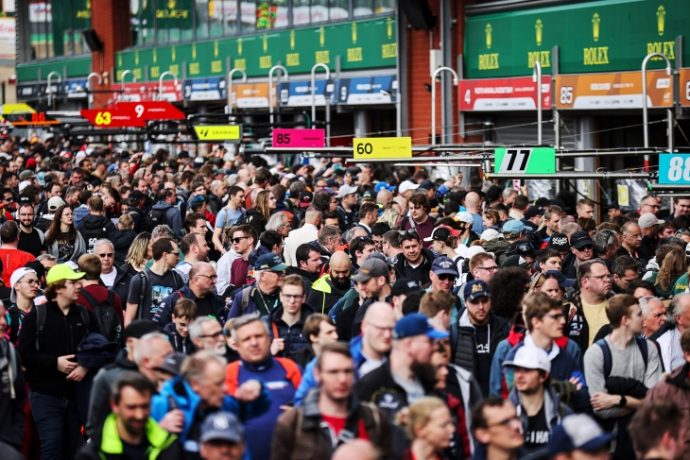
Here’s betting that if, all too often, the silent group were to be asked whether they’d welcome a new team to the grid, the answer would be overwhelmingly in agreement that they would. But it seems they don’t matter in this, so long as every Pound, Euro or Dollar they spend can be divided by ten and not 11!
We’ve said it before on these pages, and we’ll say it again: there’s always been plenty of reasons for the word ‘sport’ being part of the word ‘sportscars’. The matters under discussion here add more still…