DSC’s traditional look back to the anniversaries and notable happenings of years past in Le Mans history is back once again.
And with the race now featuring well over a century of history, there is a lot to look back upon!
2021 – 5 Years
The 2021 race was the first run to the Hypercar ruleset, with all five entered cars in the class (the two factory Toyota GR010s, the Alpine A480, and a pair of Glickenhaus SCG 007s) completing the race in the top five positions overall.
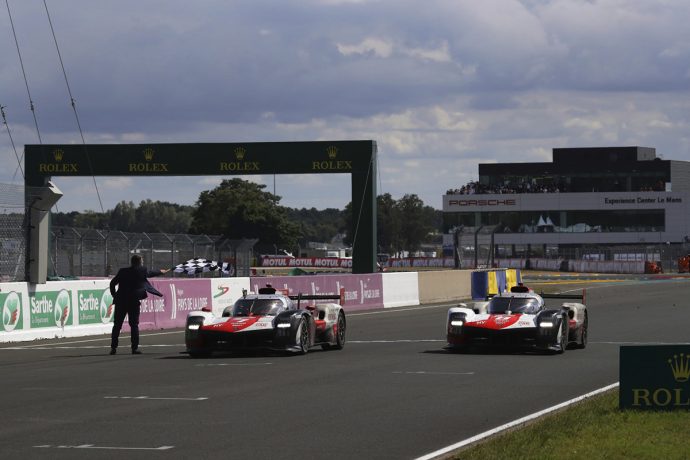
There was massive late race drama, though, in LMP2 with the race-leading car from Team WRT failing on the final lap with a broken throttle sensor.
That left an entirely unexpected chase to the flag with the sister WRT ORECA running with a late-race issue and being caught fast by JOTA’s #28 car, the chase went literally to the line, with the WRT car making it to the win just a car length ahead. That late race chase led to a change in the finish procedure after the Clerk of the Course was almost caught out by the last gasp tussle, and could have been hit by a battling car as he took to the track for the traditional chequered flag finish. With his radio back in race control, he was unable to be informed of the chase!
From then on, the chequered flag was shown from the start gantry.
2016 – 10 Years
2016 saw dramas galore. None more so than at the very end, as the luckless Kazuki Nakajima found his Toyota TS050 horribly down on power when leading comfortably on the penultimate lap.
Worse still, the car gave up the ghost completely just as the car started the very final lap of the race. It was the biggest flashpoint in a 33-year ‘curse’ at Le Mans for Toyota: For further context, at this point, Toyota had never won the race overall, but had finished second no fewer than four times.
In front of packed stands and terraces, a tearful Nakajima could do nothing as the second-placed Porsche 919 Hybrid swept by to take the win. Whilst the car would restart and complete the final lap, it would not do so within the required six minutes and was thus not classified. Nakajima would go on to win the race three times, his team-mate Sébastien Buemi would do so four times – but for their luckless colleague Anthony Davidson, this would be the closest he would get to the win.
Ford, meanwhile, had made a comeback to the race in 2016 with a four-car effort in GTE Pro – the V6 turbo-powered Ford GTEs were mighty, but they were harassed all the way to the finish by Risi Competizione’s solo Ferrari 488 GTE.
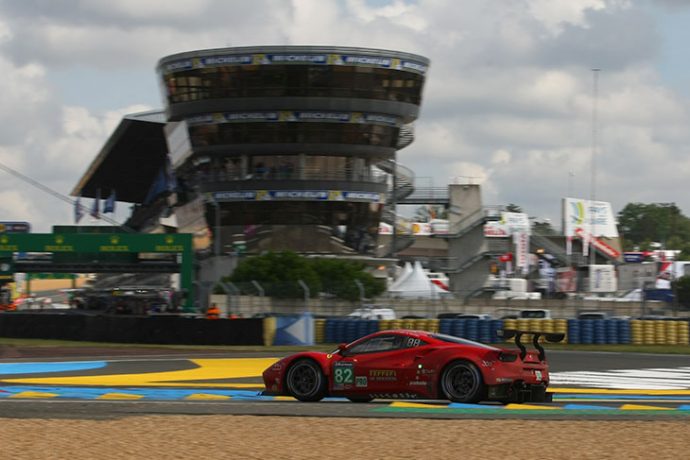
High-stakes shenanigans included a threatened protest from Ford about malfunctioning position lights on the Ferrari, and many unhappy drivers from other GTE brands who felt that the historic rivals had pulled a fast one on the rest of the field. Ford ultimately took the win, with the Ferrari preventing the podium clean sweep – and another chapter was written in the great race’s history of acrimony between Ford and Ferrari.

Alpine took the win in LMP2 after 40 years away from the top step of a podium at Le Mans. It was an important step from Philippe Sinault’s Signatech concern towards the future in the top class that came with Hypercar in 2021.
Frédéric Sausset, who’d suffered the amputation of his arms and legs in 2012, saw the efforts of an ambitious dream rewarded as he drove his specially-adapted Morgan LMP2, entered in the Garage 56 exhibition category, to the chequered flag – in the feel-good story of the race.
One final anniversary came during Qualifying 3, red-flagged for torrential rain, and with Race Director Eduardo Freitas looking to assess conditions, four-time Le Mans overall winner Yannick Dalmas was dispatched on track in the Audi R8 Safety Car to report back. (He did this famous powerslide, by the way, with only one hand on the steering wheel and the other holding his radio!)
2011 – 15 Years
2011 saw Audi score their tenth Le Mans win in 12 years and would be the first of three (in four years) for the trio of Marcel Fassler, Benoît Tréluyer and André Lotterer.
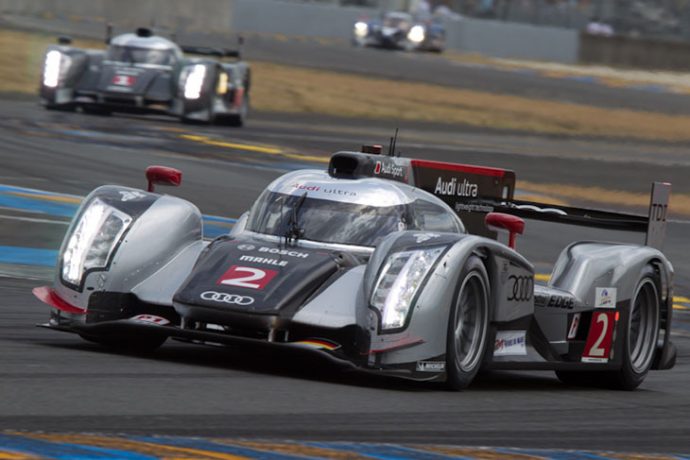
The win came in dramatic style with both the sister Audis eliminated in a pair of huge accidents for Allan McNish and Mike Rockenfeller, leaving the eventual winners to fend off the full might of the Peugeot works effort and their new-for-2011 V8 powered turbo-diesel 908s. It was an absolutely titanic fight, and the manner of Audi’s victory again underlined that the bar for a win at Le Mans was very high indeed.

The 2011 race also reintroduced the concept of the race being a part of a wider Series, the pre-FIA WEC Intercontinental Le Mans Cup, the first to feature Le Mans as a qualifying round since the 1992 World Sportscar Championship.
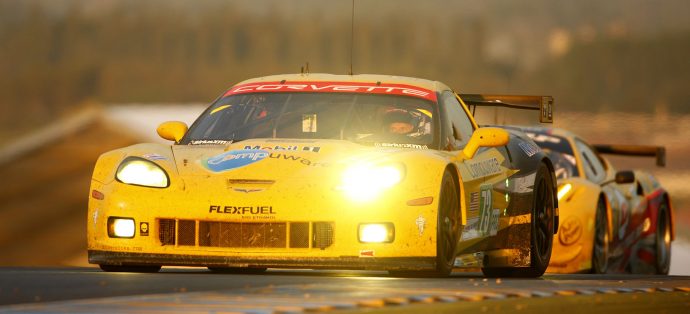
2011 really was a changing of the guard in a number of ways. It was the first Le Mans with GTE (Pro and Am) as the production-based classes replacing GT1 and GT2, truly the start of another ‘golden era’.
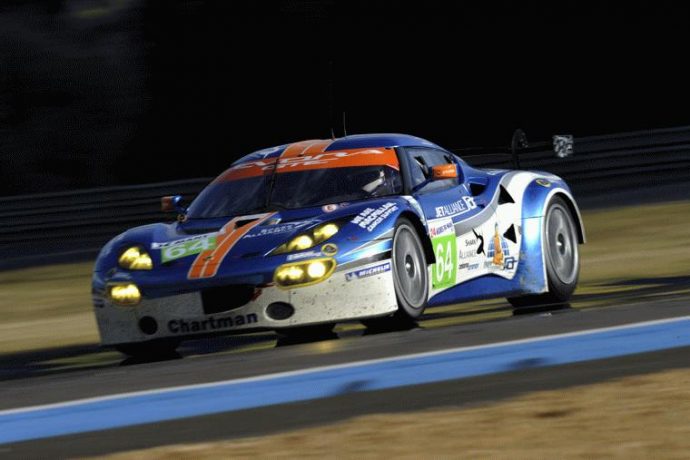
Possibly a little less ‘golden’ was the return of Lotus to Le Mans with the pretty little Evora GTEs, which were not competitive, but certainly a nice-to-have curiosity of yesteryear!
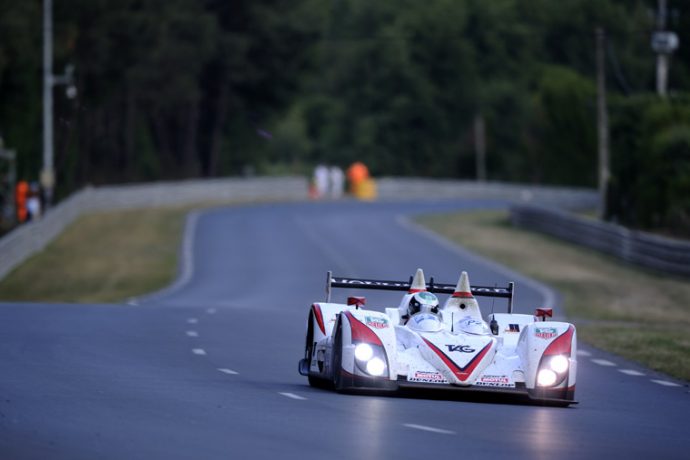
LMP2 had a new look; The era of the Porsche RS Spyder and Acura era came to an end, in search of a more sustainable ruleset. Greaves Motorsport’s Zytek was the first Le Mans winner of the new era of cars with production-based engines.
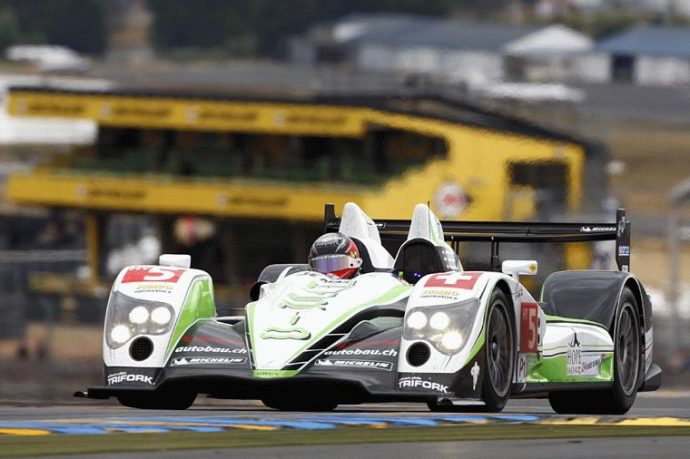
And there was the first of what would soon become a dominant technology in the class as the Hope Polevision ORECA became the first modern hybrid-powered car in the top class. The effort would not be successful, but the door was now open to a wave of new technologies that would see speed and efficiency in the top class explode in the years to follow.
2006 – 20 Years
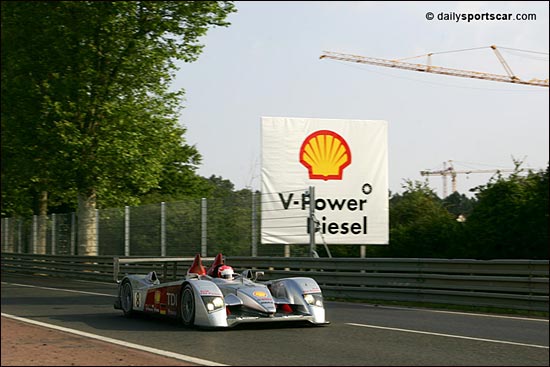
2006 saw the start of the diesel era at Le Mans with the first of what would eventually be three consecutive wins for Audi’s pioneering R10 TDI, and no fewer than nine consecutive diesel-fuelled wins. Lest we forget, it also marked four overall wins for both Frank Biela and Emanuele Pirro, with the Italian also scoring an eighth consecutive podium finish!
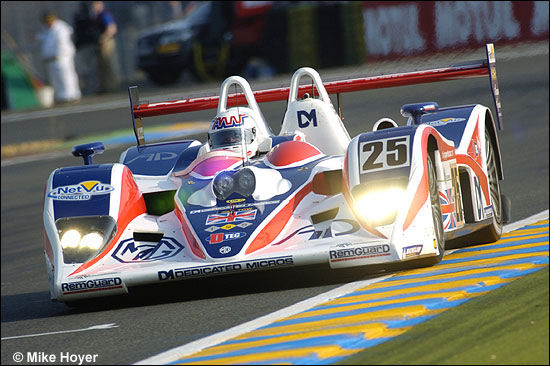
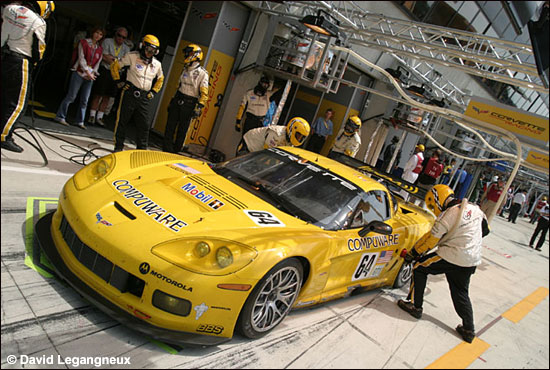
In the classes, it was two in a row for the RML MG Lola and a mighty three in a row for Team Corvette, Oliver Gavin, Olivier Beretta and Jan Magnussen with the #64 car following up fifth overall in 2005 and sixth overall in 2004 with an astonishing fourth-place overall finish.
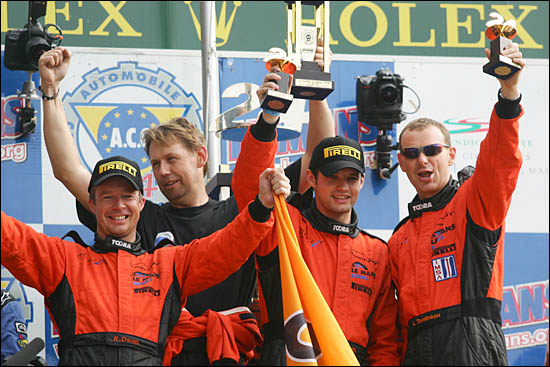
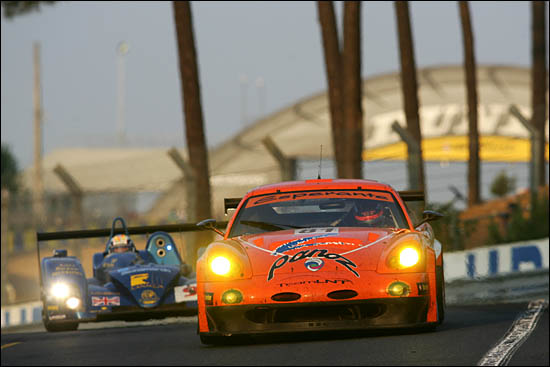
GT2 saw massive late race dramas as the leading Seikel Porsche hit trouble inside the final hour, having dominated the race to that point. A broken gear linkage left Dominik Farnbacher to effect a temporary repair using parts from the cool box, but that would not be in time to prevent the once-distant second-placed Team LNT Panoz of Lawrence Tomlinson, Richard Dean and Tom Kimber-Smith from taking the win!
2001 – 25 Years
It was a second win for Audi with the R8 LMP, and the second in a row for the combo of Tom Kristensen, Emanuele Pirro, and Frank Biela. It was only the fourth time in the race’s history that the same driving crew had completed back-to-back overall wins and only the second time when the crew had done so with effectively the same car.

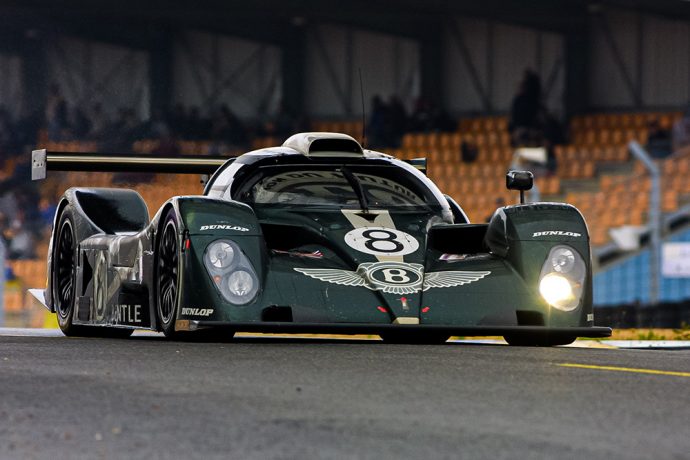
Bentley returned to Le Mans for the first time in 71 years; the single-car effort would finish third overall as the team prepped for a full assault on the win that would come just two years later.
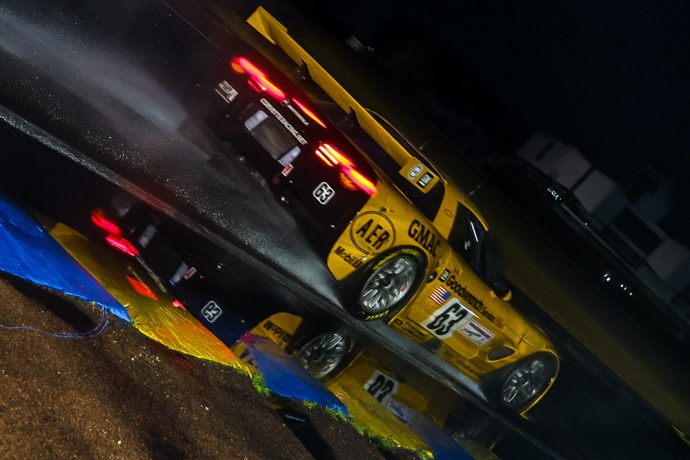
It was a first class win for the soon-to-be dominant Corvette Racing, but that win in the GT1-spec GTS class was a far-from-perfect run. Indeed, the top two cars in GT2 both finished ahead of the GTS winners, which would not happen again in the GT1/ GT2 era until the final year (2010).
It was the first appearance in the race for a Prodrive-run car, who celebrate 25 years of entries with The Care Racing Ferrari 550 Maranellos, Aston Martin DBR9s, Lola Astons, the ill-fated AMR-One, and a variety of Vantages in GT2, GTE and now LMGT3 form.
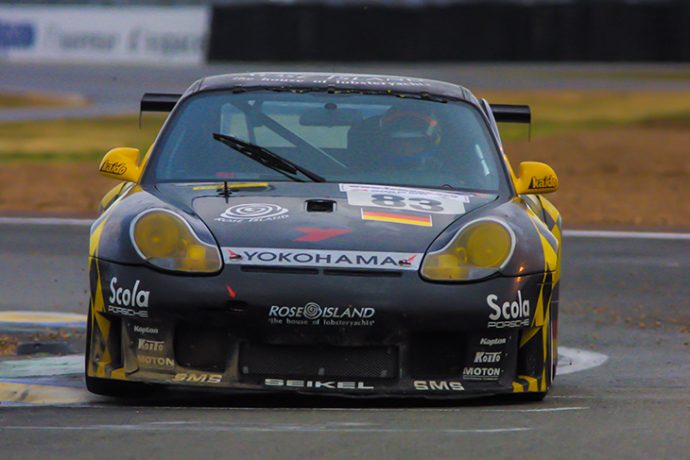
Seikel Motorsport won in GT2 in their Porsche 911 GT3 RS and finished an impressive seventh overall in a trouble-free run for Gabrio Rosa, Fabio Babini and Luca Drudi.
1996 – 30 Years
The win for the Joest Racing-entered TWR Porsche WSC 95 established several pieces of lasting Le Mans history.
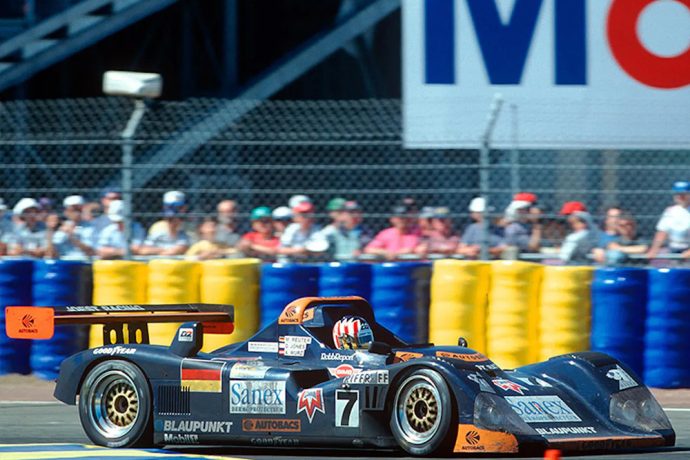
Firstly, it established a record that survives to this day, with Alex Wurz (winning together with Davy Jones and Manuel Reuter) becoming the youngest ever overall winner of the race at 22 years and 123 days. Jones, by the way, remains the last American driver to take overall victory at Le Mans (something that Ricky and Jordan Taylor could change this weekend).

The winning car established one historic feat, and laid the foundations for another. The Astec chassis (#791) had previously been raced in both the World Sportscar Championship, All Japan Sports Car Championship, and IMSA as a Jaguar XJR-14. It scored a World Championship race win on debut at Nürburgring – and therefore is the only car to have competed (and won) at such a high level under two entirely different marques!
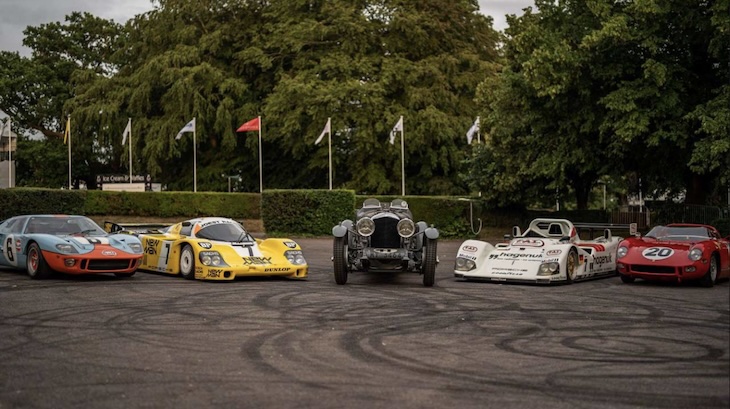
The 1996 win was then repeated in 1997 by the same car, thereby becoming one of only five cars to take the win at Le Mans twice. (Bentley Speed Six 1929/30, Ferrari 250P/275P 1963/64, Ford GT40 #1075 1968/69, Porsche 956B, 1984/85 and the TWR Porsche WSC 95.
1991 – 35 Years
The win for Mazda with the now iconic rotary-engined 787B was a huge result for Japanese motorsport, leapfrogging both Toyota and Nissan to take the first win for a Japanese manufacturer in the history of the race.
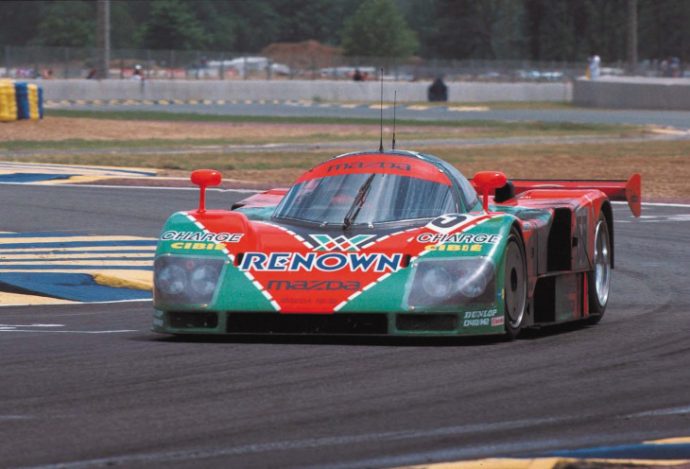
To do it in a car that was not in the newly established ‘Category 1’ top class for 3.5-litre normally-aspirated engines was another surprise, as was the Mazda fending off the proven reliable force that was the TWR Jaguars.
That said, the Mazdas escaped the punitive 100 kg of ballast that was dealt out to the Jaguars and the Sauber-Mercedes, as part of the attempt to ensure the new Category 1 cars retained an advantage.
Another major milestone for the winning effort was the technical and logistical support offered by a then fairly new outfit: ORECA. Hugues de Chaunac’s company started their Le Mans history in impressive fashion, and it’s been going strong ever since.
1986 – 40 Years
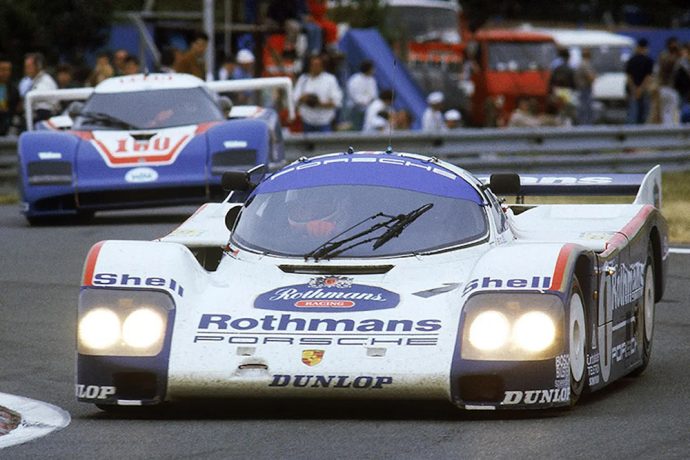
1986 saw the fourth win for Derek Bell, one of Le Mans’ all-time greats, sharing a factory Porsche 962C with Hans Stuck and Al Holbert, completing Porsche’s 11th overall victory since 1970 – and a sixth consecutive win.
The race saw the return to the grid for a Jaguar full works team for the first time since their glory days with the D-Type in the 1950s.
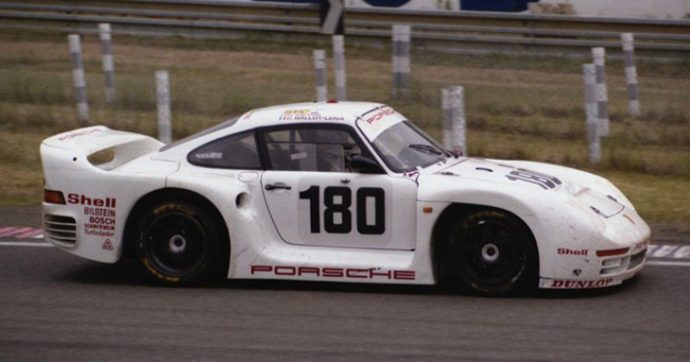
1986 also saw the first four-wheel drive car to compete since the pre-war era, with Porsche’s 959-derived 961; it would finish a highly-credible seventh overall.
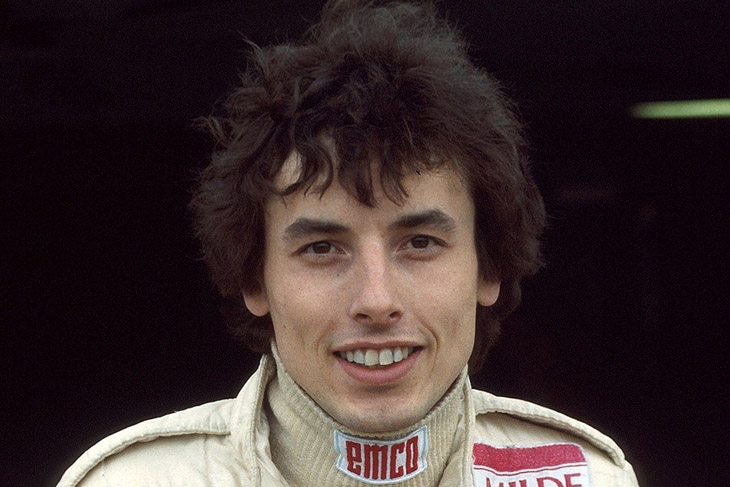
But on a sombre note, Austrian driver Jo Gartner, who’d finished fourth at Le Mans on his debut in 1985, lost his life in an accident along the Mulsanne Straight during the overnight hours.
1976 – 50 Years
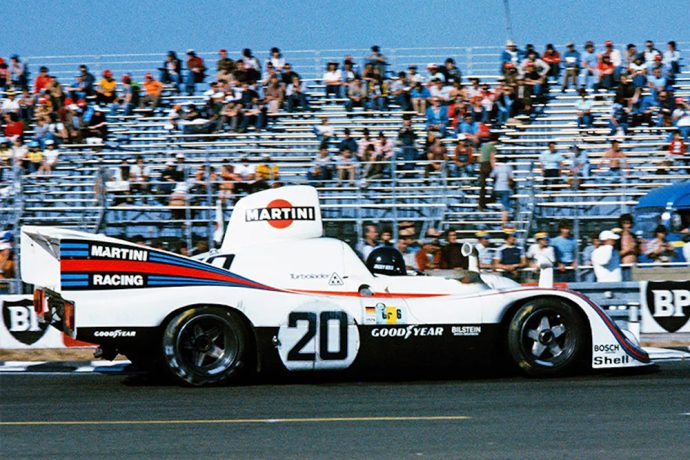
A third win for Porsche and for Jacky Ickx, and a second for Dutchman Gijs van Lennep in their Porsche 936. Even with a 30-minute stop to fix a broken exhaust, the winning car came home to the chequered flag 11 laps clear!

Further back in the order was an effort that would have a real effect on the future of the race: The little Inaltera took the win in the new GTP class, eighth overall with Henri Pescarolo and Jean-Pierre Beltoise. The effort saw the debut at the race from Jean Rondeau, who would go on to win the race four years later in a car of his own construction, and the design of the car would have significant similarities to Group C, still half a decade in the future.
1966 – 60 Years
Yes, it’s been 60 years since the first win for the Ford GT40, indeed the first overall both for Ford, and for any US manufacturer!

The Ford versus Ferrari legend lives on to the present day, and will be rejoined at next year’s race with the debut of the Blue Oval’s new-for-2027 Hypercar. Chris Amon and Bruce McLaren took the win in controversial circumstances, but regardless of the team orders row at the end, Ford’s victory was nonetheless the first of a four-race winning streak for the manufacturer and one that launched Ford into a new era of sporting relevance.
1966 also saw the first race appearances of two drivers that would forge chapters of history at Le Mans: Jacky Ickx and Henri Pescarolo. Neither would finish, but both would be winners within six years, and among the greatest to ever do it.
1956 – 70 Years
In the wake of the Le Mans disaster of 1955, huge efforts were made to improve safety on track (with wider sections and some hazards eliminated), in the pits with a new pit lane built, and off-track for spectators with new spectator banks in several places and the major terrace viewing further back from the track. The works meant that the race was delayed until late July.
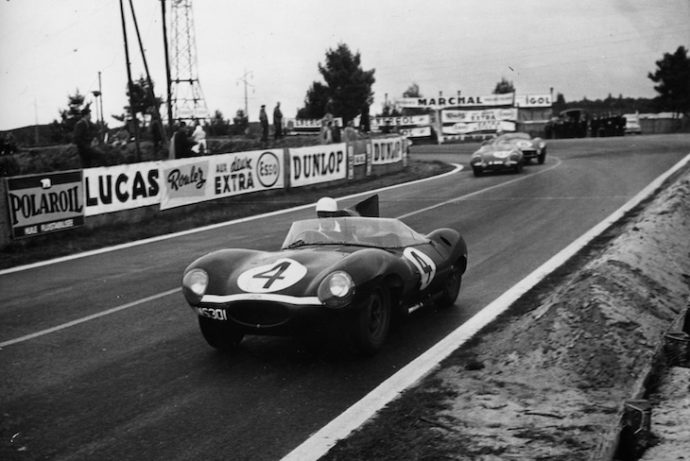
Privately entered Ecurie Ecosse would take the first of back-to-back overall wins with their Jaguar D-Type piloted by Ron Flockhart and Ninian Sanderson.
1956 saw the only time in the history of Le Mans that the race weekend would coincide with the Tour de France! It would also see the first year of a ban for female drivers that would last until 1971, this after the ‘optics’ of a high profile fatal accident at Reims earlier in the year. How times have changed!
1936 – 90 Years
The race was cancelled due to a General Strike in France.
1926 – 100 Years
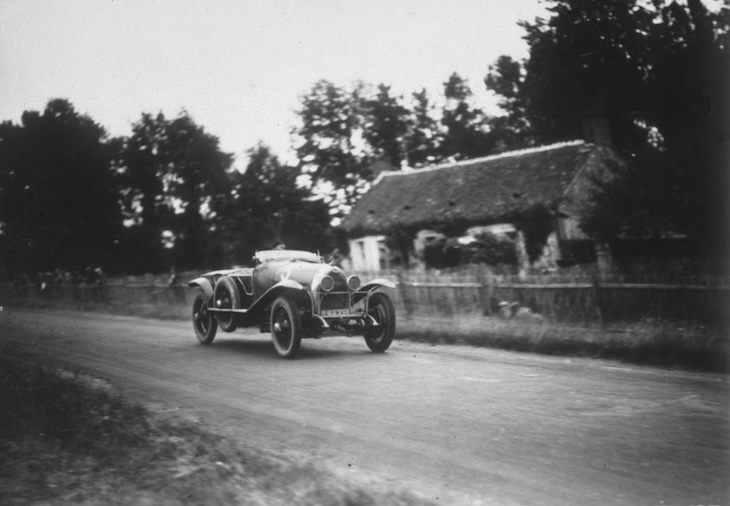
1926 was the first Le Mans race where the winner’s average speed (The Lorraine Dietrich of André Rossignol and Robert Bloch) was over 100 km/h (62 mph). It was the first won on Dunlop tyres (the winning car ran the whole race on a single set!), and the first that saw a factory effort from Peugeot.
Lorraine Dietrich became the first make to take more than one win, and the first to finish with a sweep of all three overall podium places too.
Pics copyright and courtesy ACO, Racingsportscars, Goodwood, Ford