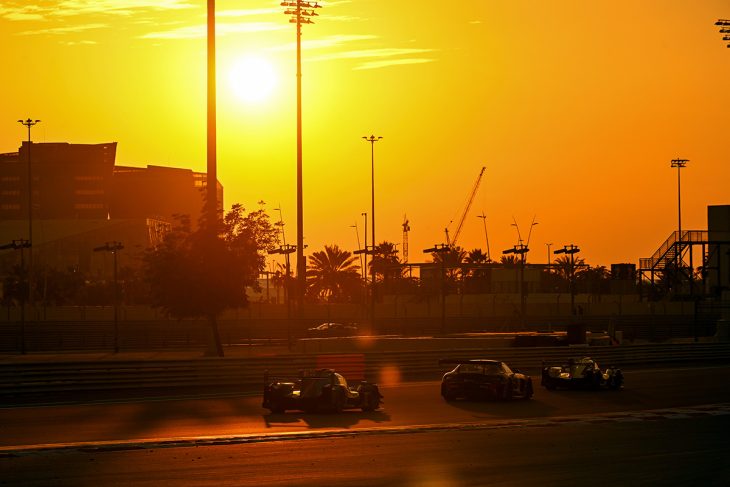
Twelve seasons in, the Asian Le Mans Series continues to evolve and grow.
Right now, as the dust settles on another successful season, it’s worth reflecting on what we’ve just seen. A five-race season with a high-quality grid that featured drama and thrills from Lap 1 at Sepang to the final moments at Yas Marina.
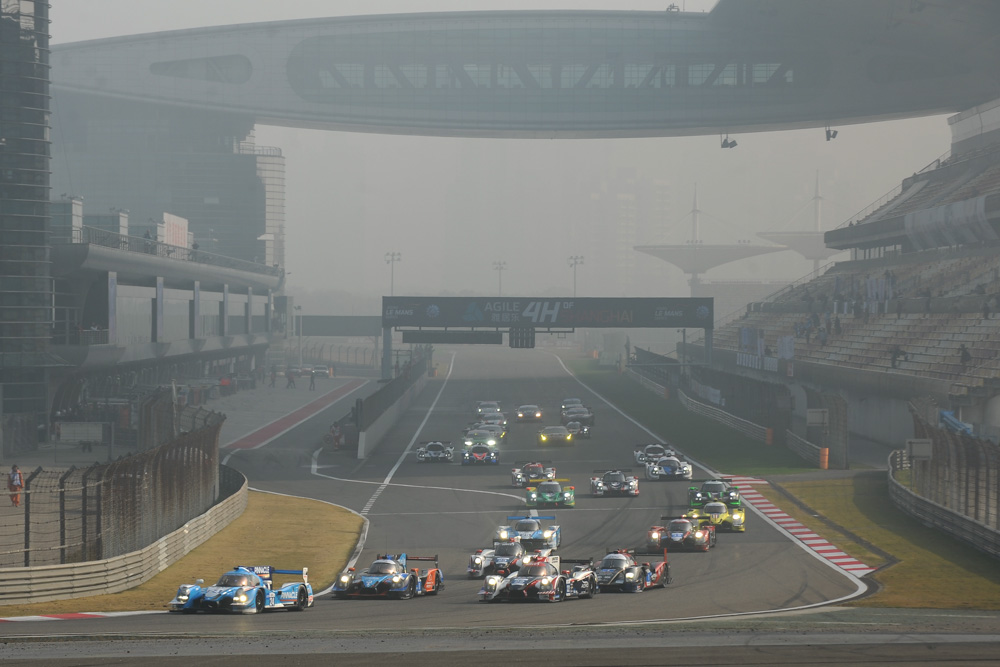
The last time DSC’s news editor covered the Asian Le Mans Series on the ground back in 2018, things were very different. It was led by a different CEO, the class structure featured grandfathered LMP2 cars, the race was held in Shanghai a week after an FIA WEC race and the four-hour contest was a support race for the Chinese Touring Car Championship.
The coach trip from the Dubai Autodrome to Yas Marina brought it home that the series, in many ways, is unrecognisable from its pre-pandemic self. But one key similarity remains: The paddock is a relaxed and happy place.
Team owners like that it keeps staff and customers active over the winter. Bronze drivers keep coming back because it’s a welcoming championship to hone your skills in. And for the professional peddlers, it presents a good opportunity to show off their talent to teams looking to race in IMSA, the ELMS, FIA WEC and beyond.
But what can we expect from the future? Is there scope for more growth?
The 2023/24 schedule, with five rounds in two calendar blocks for races in Malaysia and the UAE, was, in many ways, a gamble. Racing in a region that was slower to open up from the pandemic than Europe and where travelling between races is more complex, hasn’t been without downsides or risks in recent years.
Simply getting the calendar right for the Asian Le Mans Series is the difference between attracting a vibrant grid and battling for relevancy at a time when the winter months have never been busier for the sport.
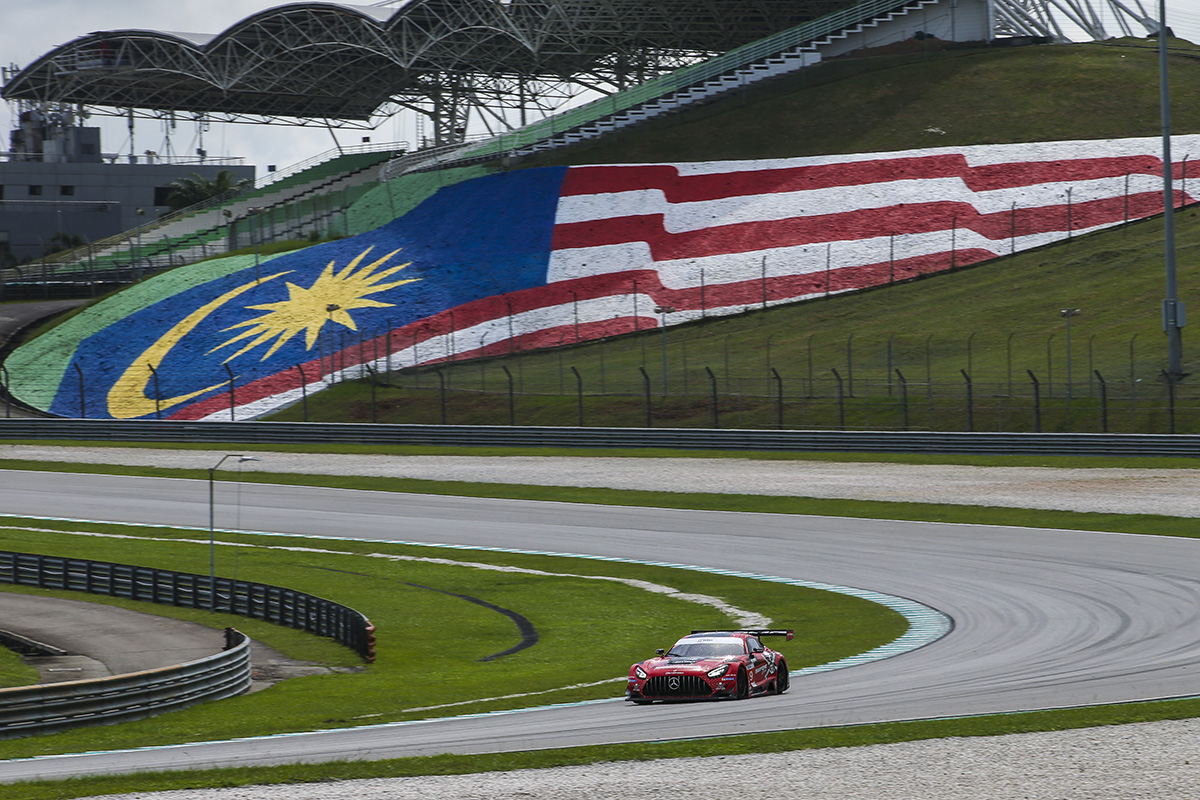
Venturing back to East Asia last December, after spending the pandemic years racing exclusively in the UAE, was a move that was made after careful consideration. Running an event in Sepang, and then sea freighting cars to the UAE, was always going to be more of a logistical challenge and have an impact on cost.
Some teams in the ELMS paddock were apprehensive at first when running the numbers. Long before the disruption to shipping in the Red Sea in recent weeks was factored in. Multiple teams told DSC that the current situation and the uncertainty surrounding it have forced them to change plans. Many opted to air freight cars and equipment home from Abu Dhabi on short notice to ensure they’d be ready for the European season. It is not a cheap solution.
However, the racing in Sepang was competitive, the teams and drivers enjoyed the experience and the members of the paddock DSC polled felt unanimously that it was the right call in hindsight.
“I’m really enjoying it, it’s a great championship,” Proton Competition’s Christian Ried said. “It was great to be back in Sepang, I raced there a long time ago, and it was good to return. It makes sense to go back there. It is the Asian Le Mans Series after all… And it fits so well in the calendar.”
The ACO’s ambition to go back to Sepang didn’t deter teams from signing up
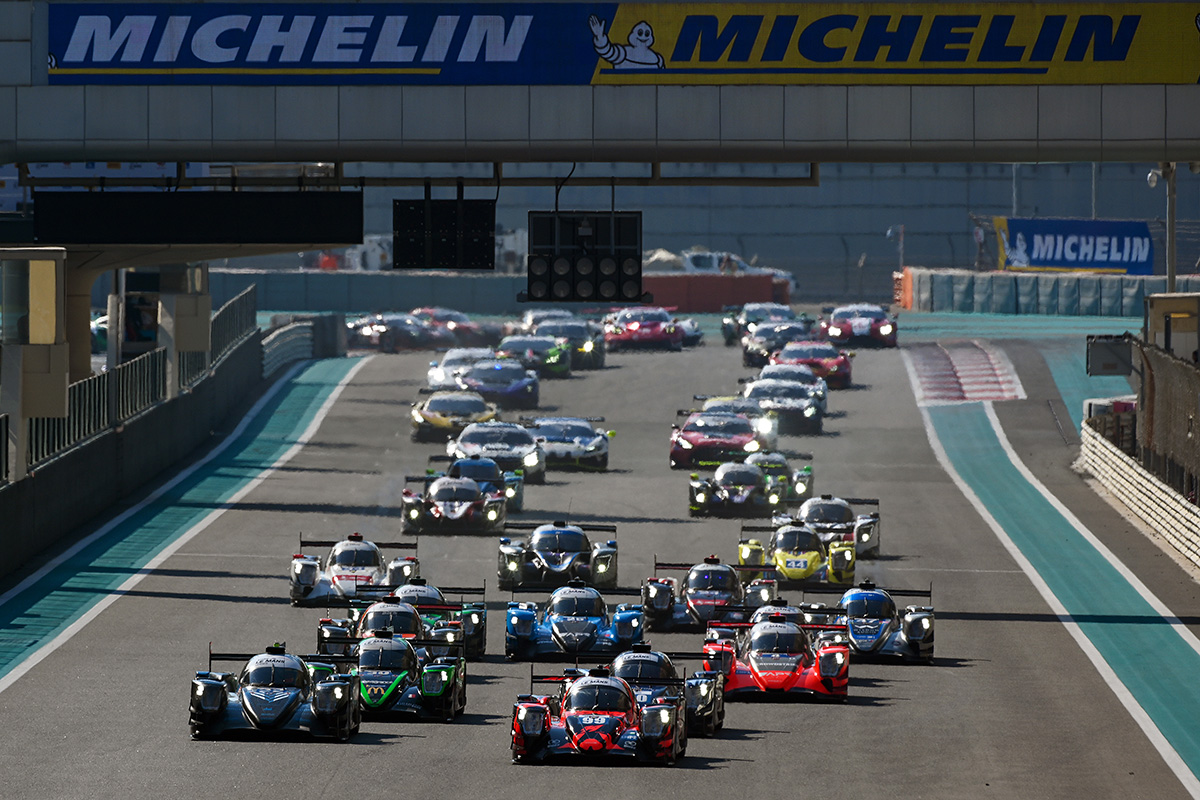
The proof is in the pudding. With a grid that topped 40 cars, the ACO’s ambition to go back to Sepang didn’t deter teams from signing up. In fact, it attracted arguably the most competitive field ever, with an LMP2 class that echoed the staggering 2023 ELMS entry. It was packed with world-class drivers and teams that operate at a high level.
“If our drivers in LMP2 (didn’t see the value in competing in Asia) we wouldn’t be here. Ian (Loggie) is one of the most experienced drivers around, and he’s realised quickly just how competitive it is,” added Sven Thomson from Nielsen Racing. “It shocked him. And it’s only going to get stronger.”
The shift in the calendar and the drive to move the series forward is in large part being powered by the collaboration between the SRO and ACO behind the scenes. There hasn’t been a lot of fanfare or publicity surrounding this partnership, but it is proving to be hugely significant.
DSC sat down with SRO’s Asia boss Benjamin Franassovici in the Abu Dhabi paddock last week to find out more. The discussion was enlightening.
Just what are both sides trying to achieve?
“Step by step, we want to grow both World Challenge Asia and the Asian Le Mans Series,” he explained. “The best way to do this is to come together rather than fight against each other.”
This is crucial. The last time this writer was on-site at Shanghai there was clear tension between the two governing bodies, who were looking to expand new championships in an emerging marketplace at the same time. Franassovici, who remembers this period well, admitted that it was somewhat counterproductive looking back. “We didn’t always see eye to eye,” he reflected. “But it was different times…”
The best way to do this is to come together rather than fight against each other
Times have changed and for the better though, with Frederic Lequien, Pierre Fillon and Colin Ong from the ACO side working with Franassovici and Stephane Ratel from SRO.
It helps that there is post-Covid pent-up demand and a clear upward trajectory for racing in the region to tap into. Franassovici told DSC he is enormously impressed by the level of the teams from countries like China, which he feels operate at a far higher level now than they did just a few years ago. He’s also encouraged by the grid sizes, with World Challenge Asia set to attract 40-50 cars at some races this year between Challenge Asia and the new Japan Cup. Yet he still feels that more can be done.
The prototype marketplace, for instance, is almost non-existent in Asia. The pandemic killed what little take-up there was, hence the Asian Le Mans Series’ LMP2 and LMP3 classes consist almost exclusively of ELMS teams searching for winter mileage. Getting it back off the ground will be more than simply a challenge, though the question has to be asked: is it possible at all? At least in the short to medium term…
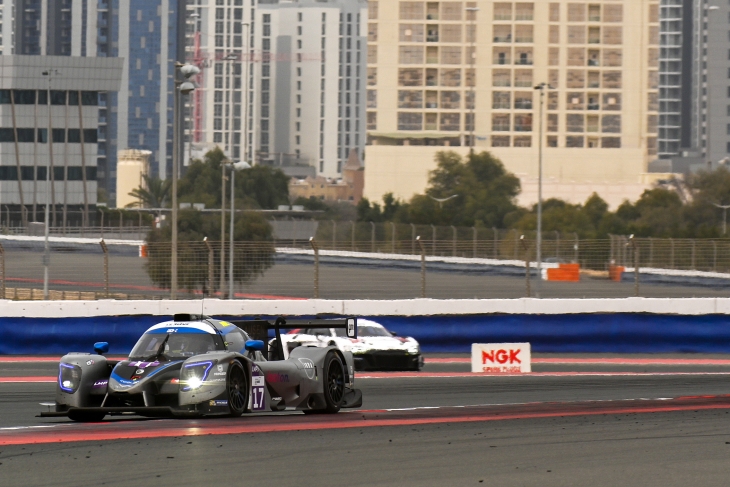
With GT3 budgets continuing to rise, should LMP3, which is set for a soft re-launch as a formula next year when the new turbocharged Toyota engine arrives, be the main target for growth? It is the low-cost entry point to prototype racing after all.
This year LMP3 was, by some margin, the smallest class. And “it’s become almost impossible to justify racing in the LMP3 class from Europe due to the budget required and level of interest from Bronze drivers,” according to an LMP2 team owner.
Is this because the prize for winning the title is now a priority to enter the Road To Le Mans races rather than an automatic invitation to enter the 24 hours? Is the return of a Le Mans invitation for the championship winner a low-effort change that could boost the entry significantly?
If that’s not possible due to the sky-high demand for Le Mans entries, then finding more Asian teams for the GT class would appear to be the most sensible target. GT3 racing in Asia is booming, with more money being spent than ever before. The GT4 ranks are expanding too, thanks to SRO’s push to create more places to race for teams and drivers looking to dip their toes in the water.
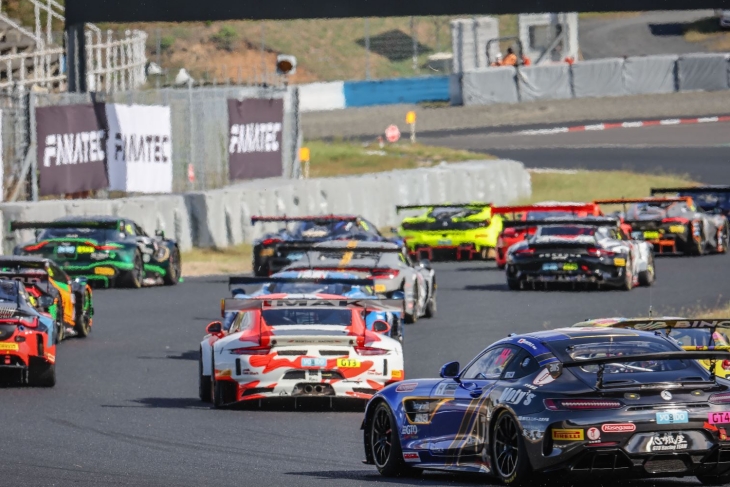
As for the calendars, there’s still a need for both the SRO and ACO to be considerate. And it appears on the face of it that there’s a real willingness on both sides to avoid clashes and create space for teams to be able to compete in both World Challenge Asia and the Asian Le Mans Series at the same time.
Long term, the vision is to create a year-long schedule with no significant conflicts, allowing teams in the region, and beyond, to take part without any major compromises. What would this look like? It has been suggested that if necessary, World Challenge Asia would be open to shortening its season to accommodate a more ambitious Asian Le Mans Series schedule, to allow for ample shipping time and avoid clashes with Chinese New Year.
Both parties deserve real praise for being so pragmatic.
For the 2024/25 season, it appears that no major changes are coming to the format or calendar for the Asian Le Mans Series. But beyond the next campaign, there is a desire for another step to be taken.
A back-to-back stint between Sepang and Buriram is an addition that was being discussed in the paddock throughout the season. Due to the (relatively) drivable distance between the two circuits, it’s an option that multiple teams told DSC would be welcomed as a low-impact solution to add further variety to the schedule.
And that’s just one option. Asia is packed with vibrant, popular circuits and a hunger for more racing. Now it’s over to the organisers to call the shots…