

Challenges over sustainability and environmental responsibility are a reality for businesses and individuals everywhere.
It’s therefore no surprise that motorsport is under pressure to respond in a positive fashion to what is set to become the defining policy direction of our time.
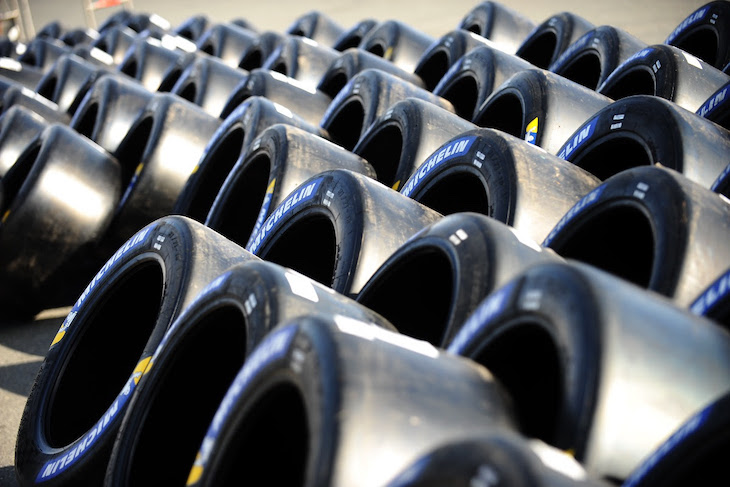
The now fully-alight debate on the reasoning behind, and the effects of, the banning of tyre warmers in the FIA WEC is just the latest in what is a near-inevitable series of clashes between a desire and need for a ‘greener’ future. It is also one of the more immediate concerns of businesses emerging from one global crisis and living through another.
So perhaps the sport and the industries surrounding it need to consider how they can better work together to deal with environmental concerns and realities.
And on that front, I have a suggestion – and it’s one that, if implemented clearly and intelligently, can help to reposition the sport in the debate
There are few parts of the automotive and wider tech industry that have a better track record of finding innovative solutions to problems and challenges than motorsport.
The engineering, developmental and rapid production and evaluation aspects of mounting high-tech racing efforts have taken huge strides forward in mechanical, electronic and data-driven areas for over 100 years.
Some of the best and brightest minds are attached to this environment, which has consistently matched up real challenges with super-tight deadlines and produced astounding results.
Perhaps it is time to harness that capacity for finding ways through issues and show a different face to a sport that some find, and others will claim they find, anachronistic these days.
Instead of identifying an example of potential energy usage and eliminating it through regulation, as with the WEC’s tyre warmer ban, perhaps first set a technology challenge to see whether the status quo can be improved.

A challenge to tackle one, or a number, of environmentally-themed targets or issues, quickly, economically, and with transportable and resilient technology that would surely find applications far beyond a racing paddock.
This would allow stakeholders a chance to provide some or all of the benefits of an existing process utilising ‘greener’ solutions and do so in a competitive environment that has positive PR strings attached.
This approach could also be widened to encompass OEMs and academia, all of whom are equally keen to be seen to be part of the solution, not part of the problem.
Whether that is finding standalone solutions for a series of relatively minor issues, or a larger solution that can give a bigger contribution to the whole picture matters little. The important part is being, and being seen to be, a positive force to drive forward a hugely important agenda.
Opening the door to innovation, and even more so doing so with a sense of urgency, is a great match for the skillsets of our sport.
The potential for the sport to be a shop window for the tech and thinking of future necessity seems to have significant upsides, for the sport’s reputation, and for the sound principle of simply doing the right thing.
Problem-solving and co-operation have the best chance of providing solutions to problems far bigger than heating tyres.
But, if our sport can start to find and promote solutions to the smaller problems, we might just be seen as a centre of excellence in signposting potential solutions to the greater challenges ahead.


