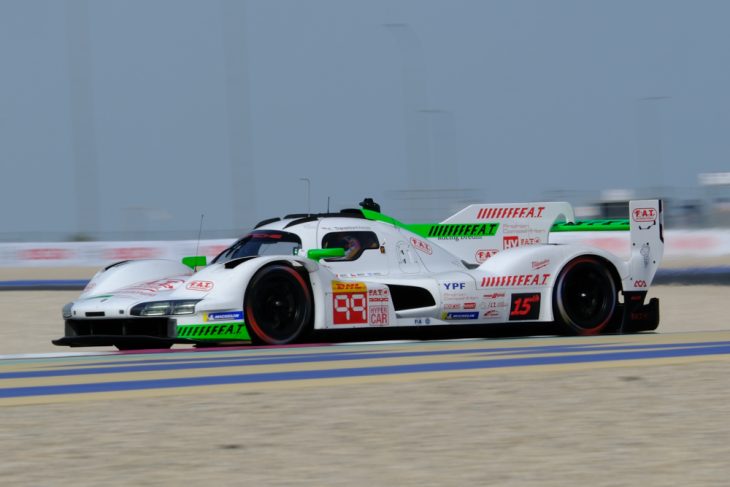

Following the announcement at Le Mans this year that LMEM intends to introduce a Hypercar class into the 2026/2027 Asian Le Mans Series, DSC has been investigating what is proposed at present and the interest and concerns surrounding the move.
First things first, the proposal is for Pro-Am entries only, with a mandatory Bronze driver. No factory-entered teams are to be permitted.
The plan is part of a strategy to attract Asian-based teams and gentleman drivers to the series, following limited success in persuading potential customers to invest in LMP2 or LMP3. Just a handful of Asian-based teams have featured in the Asian Le Mans Series in either of the major prototype categories.
“The reality is that individuals from South-East Asia with the net-worth available to compete are significantly more interested in established OEM ‘brands’ than in specialist motorsport car builders, something that we have seen in GT racing in recent years in the region,” an industry expert told DSC recently.
It’s clear too that there is active discussion underway between the ACO and at least one additional South-East Asian-based Hypercar manufacturer, with the option for customer cars in the region being a potential lever for the all-important ‘Return On Investment’ part of the business case.
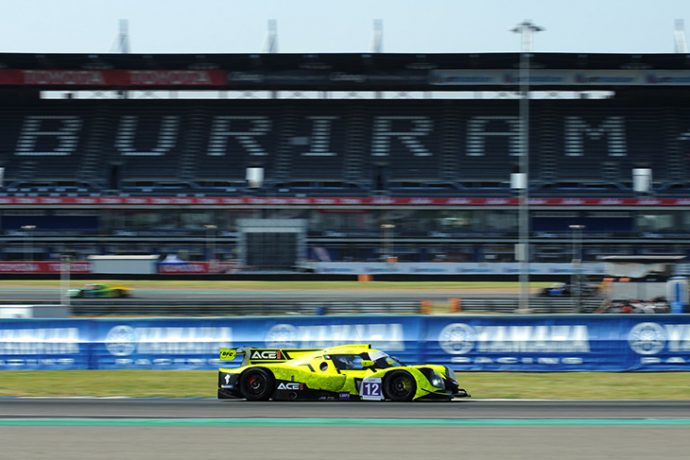
A series again more embedded in South East Asia in the future looks to be part of the draw, and part of the plan, too. The series organisers are looking to return to Asian Le Mans’ heartlands, while also exploring the future of endurance racing beyond the Qatar and Bahrain WEC events in the Gulf region.
Putting aside all of the above, though, what level of interest is there in a programme from amongst the current crop of Hypercar manufacturers and Bronze drivers?
The short answer is: very limited indeed. DSC has spoken to a significant number of drivers and their representatives across the European and North American markets and found no more than a tiny handful of ‘maybe’ comments.
This won’t come as a surprise to the ACO. After all, its president, Pierre Fillon, previously stated that he expects to start with just “2-3 cars in the first year.”
While the reality is that there is still much detail to be discussed and determined, including the budget levels required to compete (which are expected to be huge), some aspects of the proposed package are becoming clear already.
With such a limited marketplace, it seems likely that any Hypercar, homologated at any time, will, at least initially, be considered.
“There will be no obligations on manufacturers to have a presence in the Asian series, but it will be open to all manufacturers,” FIA WEC CEO Frederic Lequien previously clarified back in June.
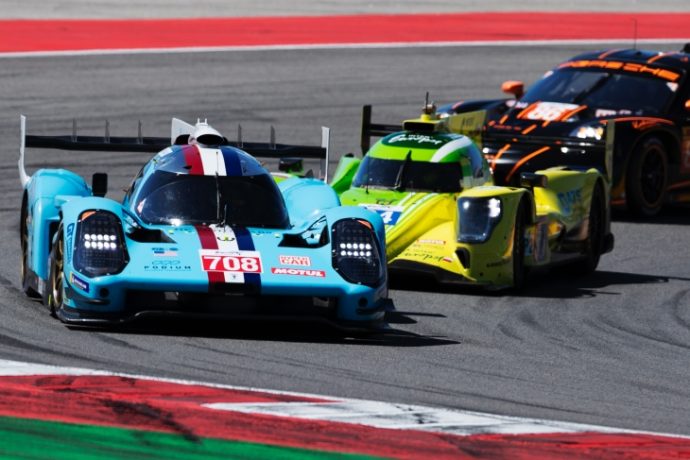
That opens the door to a number of smaller manufacturers, such as Glickenhaus, which is always ready to sell additional customer versions of its SCG 007, and Isotta Fraschini, which raced the Tipo 6. ByKolles is also understood to be eager to find a way back into competition with its Vanwall Hypercar.
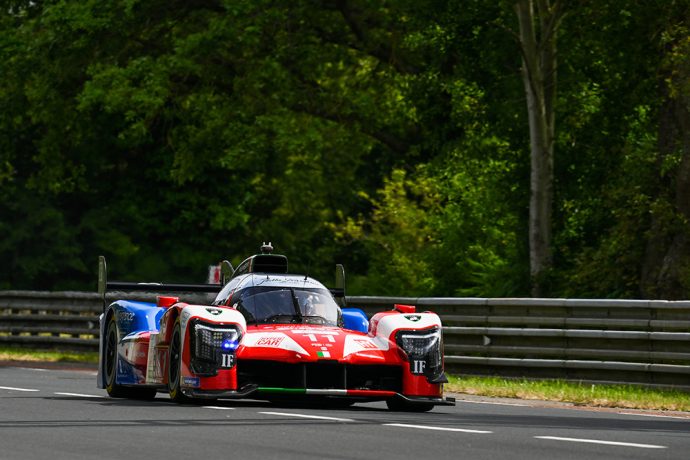
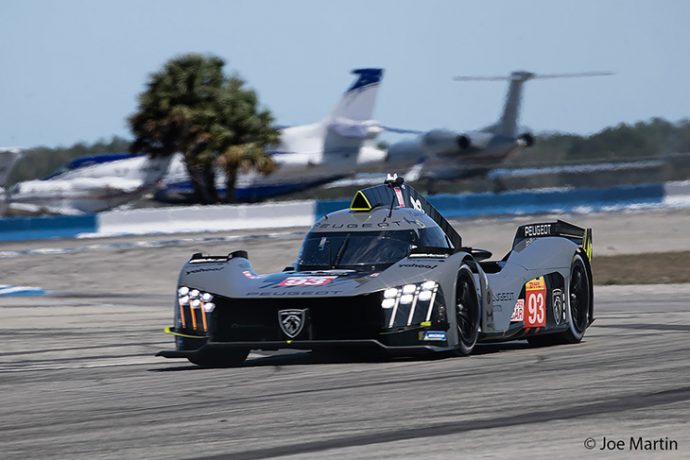
Examples of the original wingless Peugeot 9X8 are set to reach the private marketplace shortly, too, with the initial (and current) programmes underwritten in part by private ownership for all Peugeot hypercars.
Lamborghini’s SC63, currently competing in IMSA’s Endurance Cup races while the brand’s senior management works on a pathway forward, may also find a natural home in Asia if a willing customer steps forward.
And don’t forget the original Alpine A480, a grandfathered LMP1, which was accepted within the Hypercar regulations as a stopgap before the current A424 made its debut in 2024.

Whilst balancing those cars may prove to be a challenge, accepting customer cars from amongst the current crop brings with it additional travails.
Amongst them is the delicate subject of testing, something which is heavily regulated in the Hypercar class.
“It’s a new playing field now,” says Urs Kuratle, the director of factory LMDh racing at Porsche, which is still the only major brand to operate an LMDh customer programme. “We were discussing testing rules in IMSA and WEC, and now everyone has the possibility to let the customer teams drive in the Asian Le Mans Series and do pre-season testing.
“As it stands, it would not be illegal or unfair. For us, I don’t think it will be an option to do so, but if others decide to do so, we would probably have to discuss the testing rules and start from scratch.

“It doesn’t make it any cheaper. I’m not even sure that these cars are the right cars for gentlemen drivers. I’m not sure if they will have fun with it. It’s something which we do not consider to be part of from a Porsche point of view, but if others decide to do it, it’s up to them.”
And what of one of the biggest draws for a gentleman driver, the opportunity to earn an automatic invitation to Le Mans through class success?
That seems unlikely in this case for several reasons: the likely small number of takers, the fact that this would then be a solo pro-am car in a deep field of all-pro Hypercars, and the current and predicted future pressure on Le Mans anyway.
There’s a significant amount of work to be done to establish a viable and sustainable grid in time for the start of the 2026/27 season, which is under 18 months away.