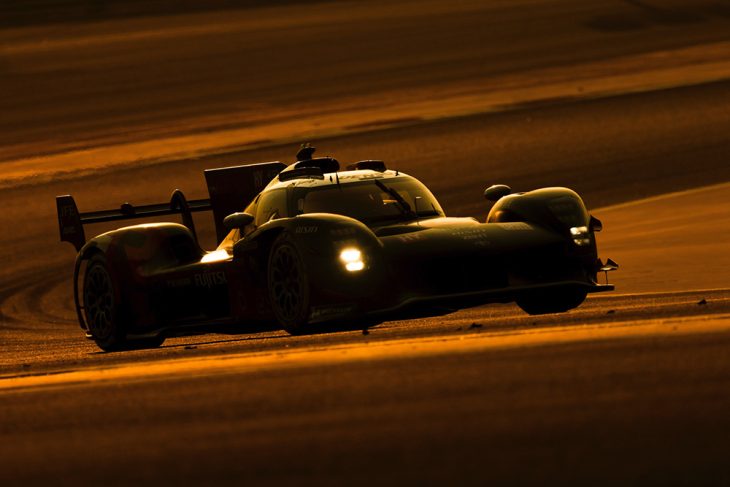

Toyota Gazoo Racing’s commanding victory at last weekend’s 8 Hours of Bahrain marked the end of an era for its Hypercar programme, with the GR010-Hybrid set to receive a significant overhaul for 2026.
So significant, in fact, its LMH-regulation prototype might turn up to next year’s season opening Qatar 1812KM with a new name alongside its revised aerodynamic package.
Comfortably the oldest car on the Hypercar grid, the GR010-Hybrid has struggled on multiple occasions this season against the ever-strengthening opposition, with a resurgent win at Bahrain its first podium of the year as the Japanese marque failed to win the Manufacturers’ World Championship for the first time since 2017.
Toyota was back to its dominant best in the Middle East, however, with a performance that reminded everyone as to why the five-time 24 Hours of Le Mans winner had developed such a fierce reputation as the one to beat. Now entering the off-season with the team’s morale firmly reestablished, the aim for Toyota will be to deliver those performances on a more consistent basis next year.
And its consistency, which is the key target for the car’s evolution, has been in development since 2024.
“There are many changes in the styling, the car’s identity, with a new aero package that we hope will improve the car,” Toyota Gazoo Racing’s technical director David Floury told DSC during a media roundtable.
“All cars are measured in the wind tunnel by the FIA, and they have a window which is quite narrow in terms of the drag, downforce and weight, so within this window we try to make the car easier to drive and gain lap time from there. We want it to be more consistent.”
Alongside performance-based changes, the bodywork has also been adjusted to bring the Hypercar better in-line with Toyota’s road-going products. As such, Toyota Gazoo Racing-Europe’s in-house styling department was involved with the development work from the beginning.
The 2026-spec Toyota has already been tested, with the car spied during two days of running at Circuit Paul Ricard back in October.
The Japanese marque performed a back-to-back test of both its 2025 and 2026 packages, with the six members of its current FIA WEC roster and junior driver Esteban Masson taking turns behind the wheel. The test was completed on 2025-spec rubber, with the availability of Michelin’s new-for-2026 tyres still limited ahed of the IMSA Sanctioned Test in Daytona this week.
“The target was to quantify what we are doing, and I would say we had a reasonably good session,” Floury stated.
“We had good conditions, pretty stable, and did a lot of running, so a lot of learning. We are limited in the number of days to test the new car, obviously, you would always love to do more, but I think we were lucky with the conditions we had.”
Amongst the key topics of conversation in the FIA WEC paddock is the potential introduction of a Success Handicap system to Hypercar from next year, as utilised in the FIA WEC and European Le Mans Series’ LMGT3 classes, as well as series such as Super GT.
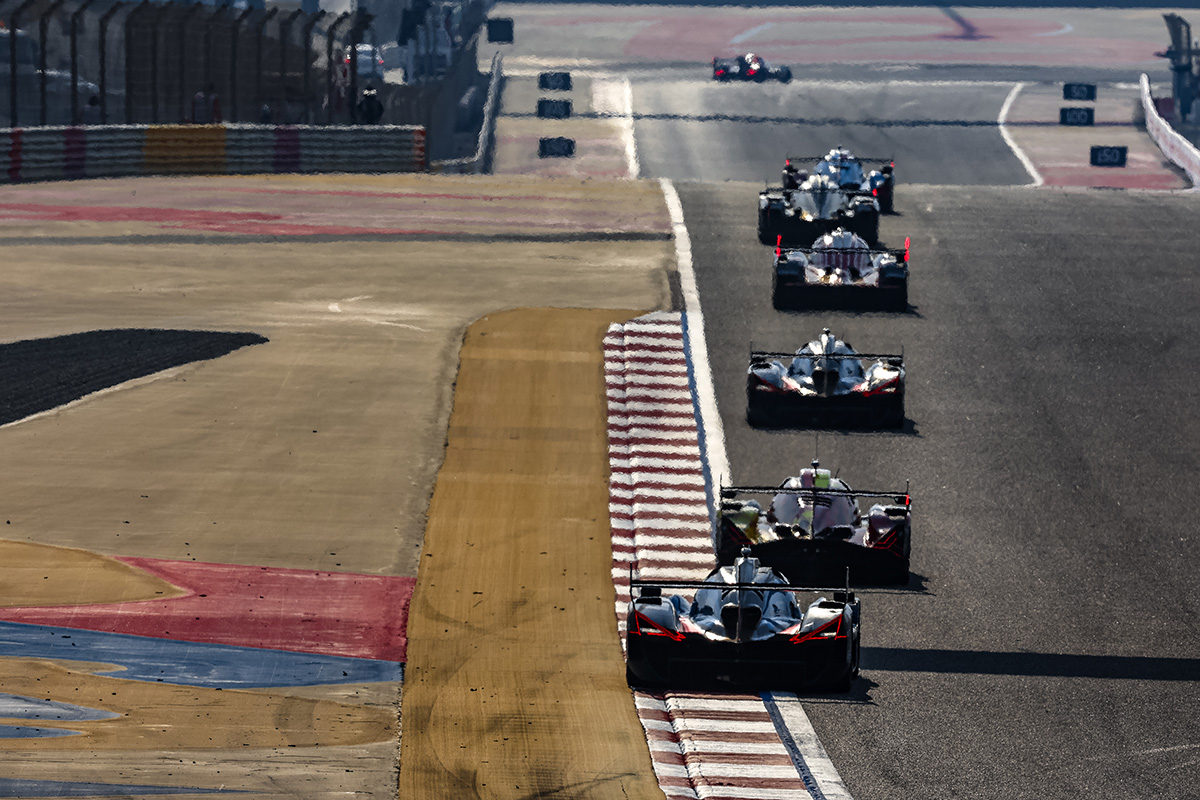
The aim of such a process would be to provide another option to the rulemakers, alongside Balance of Performance, as they battle to balance the very different vehicles featured in the top category.
“Clearly, we’ve seen what we have this year [with BoP] is not working, and definitely a success handicap is a tool which is available to try and improve,” Floury weighed in.
“I think it needs to be considered, but to make a final decision, I think we need to run many simulations.
“At the moment, we have not started in-depth discussions about it. I think that, in the end, this year, the BoP has had too much focus on it. We need to find a system where we don’t only talk about this, we come back to talking about racing.”
Over the summer, the Hypercar manufacturers near-unanimously voted to keep some form of Balance of Performance involved in the class for the time being. The verdict across various stakeholders, however, is that yet another new methodology ought to be drawn up for 2026.
“The exact details of the performance balancing process will be determined before the first timed session of the Prologue, the official pre-season test, which is set to take place at Lusail International Circuit one week before the 2026 season-opening Qatar 1812 km race,” the FIA and ACO said in a joint statement sent to DSC ahead of Bahrain.
“The 2026 performance balancing process is being developed with full transparency and in close collaboration with the manufacturers involved in WEC’s Hypercar class.”
Featured image courtesy of Toyota/James Moy